What Are Some Health Benefits to Kids Playing in the Mud? Part II
Explore What Are Some Health Benefits to Kids Playing in the Mud? Part II to know how sand play can help children. In many countries in Africa, it is not uncommon to find children playing in the sand, even in schools.
This may seem as a health hazard until it is investigated. In this second part of this piece, we take a look at some more benefits of sand play by children.
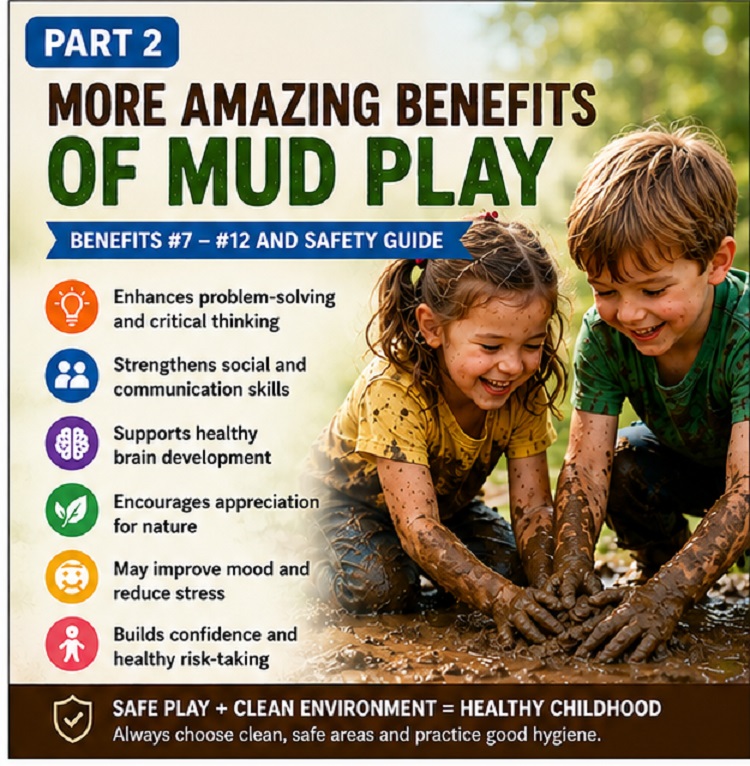
7. Enhances Problem-Solving and Critical Thinking Skills
Mud play presents children with countless opportunities to solve problems through trial and error. Whether they are figuring out how to build a sturdy mud castle, create a flowing water channel, or keep a bridge from collapsing, they are constantly testing ideas and adapting their approach.
This type of open-ended play encourages critical thinking because there are no right or wrong answers. Children learn to observe, predict outcomes, make adjustments, and persevere when things don’t go as planned.
These experiences lay the foundation for important life skills, including resilience, decision-making, and creative problem-solving.
8. Strengthens Social and Communication Skills
Mud play often becomes a shared adventure. Children naturally work together to build forts, dig tunnels, make pretend meals, or invent imaginative games.
Through these activities, they learn valuable social skills such as:
- Sharing tools and materials
- Taking turns
- Cooperating toward a common goal
- Negotiating ideas
- Resolving disagreements peacefully
- Communicating clearly
These everyday interactions help children build friendships and develop emotional intelligence. Learning to collaborate through play also prepares them for teamwork in school and later in life.
9. Supports Healthy Brain Development
The early years of life are a period of rapid brain growth, and experiences that challenge children to think, move, and explore help strengthen neural connections.
Mud play combines physical movement, sensory experiences, creativity, language, and social interaction—all of which stimulate different areas of the brain simultaneously.
As children experiment with textures, shapes, and cause-and-effect relationships, they build cognitive skills that support learning, memory, attention, and reasoning.
Simple activities like mixing water with soil or predicting whether a structure will stand or fall introduce basic scientific concepts in a fun and memorable way.
10. Encourages a Lifelong Appreciation for Nature
Children who spend time outdoors often develop a deeper understanding of the natural world.
While playing in mud, they observe insects, worms, leaves, flowers, birds, and changing weather conditions. These experiences encourage curiosity about ecosystems and help children understand how plants, animals, soil, and water work together.
A positive relationship with nature during childhood has been associated with greater environmental awareness later in life. Children who enjoy outdoor play are also more likely to continue participating in outdoor activities as they grow older.
11. May Improve Mood Through Exposure to Nature
Many parents notice that their children seem happier after spending time outdoors, and research suggests there may be good reasons for this.
Natural environments can reduce stress, improve attention, and encourage relaxation. Some scientists have also studied harmless soil microorganisms, such as Mycobacterium vaccae, which may influence the body’s immune responses and, in laboratory settings, have shown potential effects related to mood regulation.
Although this area of research is still evolving and more studies in humans are needed, there is strong evidence that outdoor play in natural settings supports children’s emotional well-being through physical activity, social interaction, and exposure to green spaces.
12. Builds Confidence, Independence, and Healthy Risk-Taking
Mud play gives children the freedom to explore, experiment, and make decisions independently.
Whether climbing over uneven ground, balancing on logs, or figuring out how to move water through a muddy channel, children learn to assess manageable risks under adult supervision.
This type of play helps build:
- Self-confidence
- Independence
- Resilience
- Adaptability
- Persistence
Experiencing small challenges and overcoming them teaches children that mistakes are part of learning, helping them become more confident in trying new things.
What Does Research Say About Dirt and Children’s Health?
Over the past two decades, scientists have become increasingly interested in how early exposure to natural environments affects children’s health.
Research suggests that children who regularly interact with diverse outdoor environments may develop a richer and more balanced collection of microorganisms—known as the microbiome—on their skin and in their digestive system. A healthy microbiome plays an important role in immune function, digestion, and overall health.
Studies have also explored the “hygiene hypothesis” and the related “old friends hypothesis.” These theories propose that reduced exposure to harmless environmental microbes in early life may contribute to the increasing rates of allergies and certain immune-related conditions seen in many developed countries.
It is important to understand that these theories do not suggest children should be exposed to unsafe or unsanitary conditions. Instead, they support the idea that normal interaction with clean natural environments is a healthy part of childhood.
Experts continue to study the relationship between environmental microbes and long-term health, but current evidence supports encouraging children to spend time outdoors in safe, natural settings.
When Should Children Avoid Playing in the Mud?
Although mud play offers many benefits, there are situations where it should be avoided.
Parents should keep children away from:
- Mud contaminated by floodwater, which may contain sewage and harmful bacteria.
- Soil polluted with industrial chemicals or heavy metals.
- Areas treated recently with pesticides or herbicides.
- Places heavily contaminated with animal or human waste.
- Construction sites or abandoned properties.
- Standing water where mosquitoes breed.
- Mud around sharp objects, broken glass, or metal debris.
Children with deep cuts, recent surgical wounds, or weakened immune systems should also avoid muddy environments until it is safe to do so. If you have concerns about your child’s health, consult your healthcare provider before encouraging outdoor mud play.
Practical Tips for Safe Mud Play
Parents can enjoy the benefits of mud play while reducing health risks by following a few simple precautions.
Choose a Safe Location
Select gardens, parks, or natural play areas where the soil is known to be clean and free from contamination.
Dress Children Appropriately
Old clothes, waterproof boots, and washable outerwear make cleanup easier and allow children to play freely without worrying about getting dirty.
Wash Hands Thoroughly
Encourage children to wash their hands with soap and clean water before eating, drinking, or touching their face.
Clean Up After Play
A bath or shower after muddy play removes dirt while still allowing children to benefit from outdoor exploration.
Cover Cuts and Scrapes
Small wounds should be cleaned and covered with waterproof dressings before children begin playing.
Keep Toys Clean
Buckets, shovels, and other toys used outdoors should be rinsed regularly to remove excess dirt and reduce the spread of germs.
Stay Up to Date With Routine Vaccinations
Following your country’s recommended childhood immunization schedule provides important protection against vaccine-preventable diseases, including tetanus.
Supervise Younger Children
Close supervision helps prevent children from putting mud into their mouths or wandering into unsafe areas.
By combining sensible hygiene with opportunities for outdoor exploration, parents can help children enjoy the many developmental and health benefits of mud play while minimizing potential risks.
In short, playing in the sand can bring enormous benefits to children especially when properly monitored. And with the right kind of guidance, This can be helpful to their health.
About the Author