Best Sitting Position for Lower Back Pain During Pregnancy
Best sitting position for lower back pain during pregnancy. Learn the best sitting position for lower back pain during pregnancy, with practical posture, lumbar support, chair, desk and warning-sign advice. Lower back pain is one of the most common discomforts during pregnancy. As the baby grows, the uterus becomes larger, the body’s center of gravity shifts, abdominal muscles stretch, and pregnancy hormones affect the ligaments around the pelvis. These changes can place additional demands on the muscles and joints of the lower back and pelvis.
For many pregnant women, the best sitting position for lower back pain during pregnancy is one that provides comfortable support to the lower back and pelvis while keeping the feet supported and the spine in a relaxed, neutral position. However, there is no single posture that is perfect for everyone. Your stage of pregnancy, body shape, symptoms, and comfort all matter.
Good sitting posture can help reduce unnecessary strain, but it is equally important not to remain in one position for too long. Regular movement, appropriate physical activity, and individualized advice from a healthcare professional can also play an important role in managing pregnancy-related back pain.
Why Does Pregnancy Cause Lower Back Pain?
Pregnancy changes the way your body carries and distributes weight.
As the uterus expands, the center of gravity moves forward. This can alter the way you stand, walk, sit, and perform everyday activities. The abdominal muscles also stretch as the pregnancy progresses, while hormonal changes make some pelvic ligaments more flexible. These factors can increase the physical demands placed on the back and pelvis.
Other factors can contribute to discomfort, including:
- Prolonged sitting or standing
- Muscle fatigue
- Reduced physical activity
- Poorly supported sitting
- Repeated bending or twisting
- Existing back or pelvic problems
- Increased body weight during pregnancy
- Changes in movement patterns as the abdomen grows
Research also shows that pregnancy-related lumbopelvic pain is not simply a matter of having a particular spinal shape. Postural and movement changes can vary considerably between individuals.
This is why the goal should not be to force your body into one rigid “perfect” posture.
What Is the Best Sitting Position for Lower Back Pain During Pregnancy?
The best sitting position for lower back pain during pregnancy is generally a comfortable, well-supported position that reduces unnecessary strain on your lower back and allows you to breathe and move freely.
Try the following:
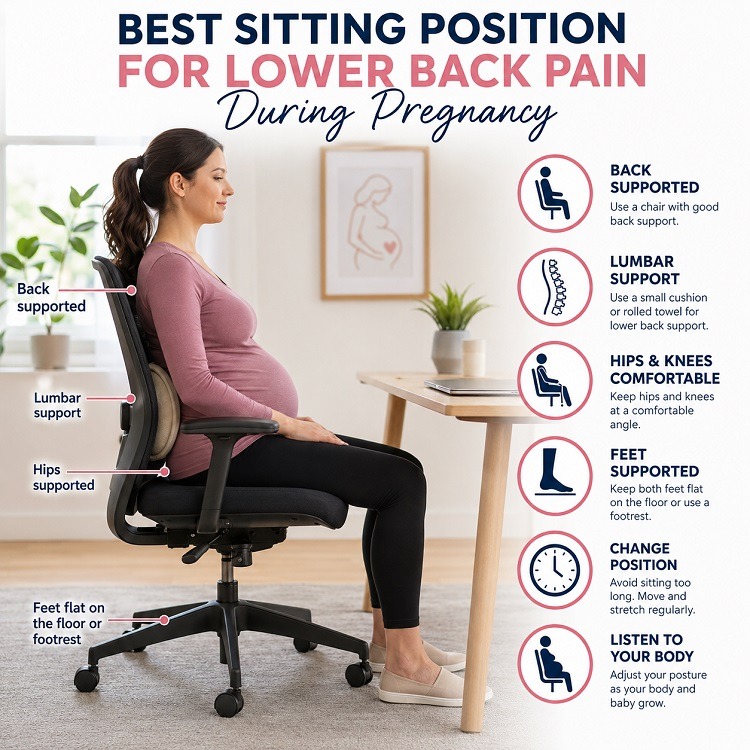
1. Sit with your back supported
Choose a chair with a supportive backrest. Your lower and mid-back should be comfortably supported rather than left unsupported.
If the chair does not provide enough lumbar support, place a small cushion or rolled towel behind your lower back. ACOG specifically recommends a chair with good back support or a small pillow behind the lower back.
2. Keep your spine comfortably neutral
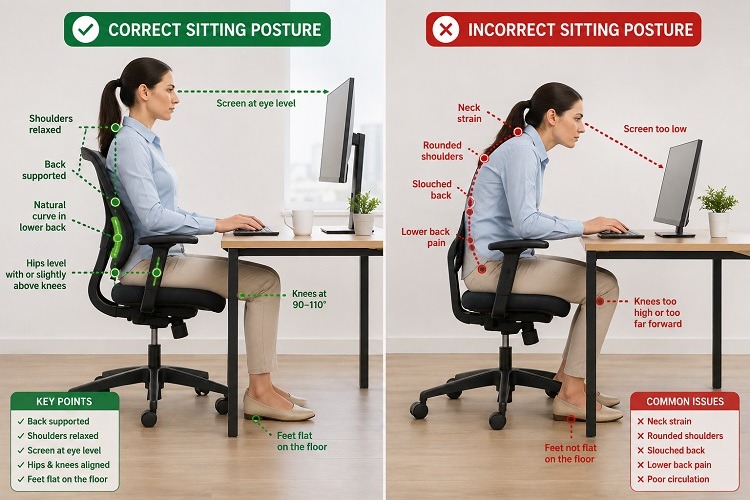
Avoid collapsing into a rounded, slouched position.
At the same time, do not force yourself to sit extremely upright with your chest pushed forward and your back excessively arched.
Think of your spine as being long and relaxed, rather than stiff.
3. Support your pelvis
Sit far enough back in the chair that your pelvis and buttocks are supported by the seat.
Avoid perching on the edge of a chair for long periods, particularly if doing so causes you to lean forward.
4. Keep your feet supported
Place both feet on the floor whenever possible.
If your feet do not comfortably reach the floor, use a low, stable footrest. Supporting the feet can make it easier to maintain a comfortable sitting position without allowing the legs to dangle.
5. Position your knees comfortably
Your hips and knees should be in a comfortable position rather than forcing the knees tightly together or holding them in an awkward angle.
There is no universal requirement that the knees must be at one exact height. The important consideration is whether the position allows you to sit comfortably without increasing your symptoms.
6. Relax your shoulders
Keep your shoulders relaxed rather than pulling them forcefully backward.
If you are working at a desk, bring the keyboard, mouse, phone, or other frequently used objects closer so that you do not repeatedly reach forward.
7. Keep your head and neck comfortable
Your head should generally remain over your upper body rather than being held far forward for long periods.
When using a computer, position the screen so that you do not constantly need to bend your neck downward.
8. Change position regularly
Even a well-supported sitting position can become uncomfortable if you remain there for too long.
Stand up, walk around, stretch gently, or simply change your position regularly.
ACOG notes that prolonged sitting can contribute to musculoskeletal problems, and recommends considering workplace accommodations for pregnant women experiencing symptoms.
Step-by-Step Guide to Sitting Correctly During Pregnancy
If you are wondering how to sit with lower back pain while pregnant, try this simple sequence:
- Choose a stable chair with a supportive backrest.
- Sit back into the chair so your pelvis is supported.
- Place your lower back against the backrest or add a small cushion or rolled towel if needed.
- Keep your spine relaxed and neutral, avoiding excessive rounding or arching.
- Allow your shoulders to relax.
- Keep your head comfortably aligned rather than leaning forward.
- Place both feet on the floor or on a stable footrest.
- Position your hips and knees comfortably.
- Keep your work or reading material close enough to avoid prolonged forward reaching.
- Change position regularly rather than trying to maintain the same posture all day.
The position should feel supportive rather than restrictive.
If a posture looks “perfect” but makes your pain worse, it is probably not the right position for you.
How to Use a Lumbar Support Pillow During Pregnancy
Lumbar support can be useful for women who find that their lower back feels unsupported while sitting.
Place a small cushion, rolled towel, or lumbar support at the natural curve of your lower back. The aim is to provide gentle support, not to push your spine forcefully forward.
You may need to experiment with:
- The thickness of the cushion
- Its height
- Its position
- How far back you sit in the chair
If the support causes pressure, discomfort, numbness, or increased pain, remove it or adjust it.
A small towel can be a simple alternative to purchasing a specialized pregnancy cushion. ACOG and NHS both recognize the potential usefulness of lower-back support when sitting.
Research into pregnancy support devices is less definitive than some marketing claims suggest. Studies of maternity support garments have produced mixed results, so these products should be viewed as optional comfort aids rather than guaranteed treatments.
Best Chair for Lower Back Pain During Pregnancy
You do not necessarily need an expensive ergonomic chair.
A useful pregnancy chair should provide:
- Good back support
- A stable base
- A comfortable seat
- Enough depth to support your thighs without pressing uncomfortably behind your knees
- Adjustable height when possible
- Comfortable armrests, if useful
- Enough room to change position
- Easy foot support
A very deep, soft sofa may feel comfortable initially but can make it difficult to maintain support or get back up.
If your existing chair is not ideal, simple modifications may help. A small lumbar cushion, footrest, or seat cushion can sometimes make a substantial difference.
How Long Should You Sit During Pregnancy?
There is no universal number of minutes that every pregnant woman should be allowed to sit.
Instead of focusing on a strict timer, pay attention to how your body responds.
If your lower back becomes stiff, painful, or fatigued while sitting, that is a good reason to change position or get up and move.
Useful habits include:
- Standing periodically
- Walking short distances
- Changing sitting positions
- Performing gentle movements appropriate for your pregnancy
- Alternating between sitting and standing when possible
- Avoiding long, uninterrupted periods at a desk
The key principle is movement variety rather than maintaining one posture for an extended period.
Sitting Positions to Avoid or Limit During Pregnancy
Most sitting positions are not automatically dangerous to pregnancy. However, some habits may increase discomfort or musculoskeletal strain.
Prolonged slouching
Slumping forward can place your lower back in a poorly supported position and may make existing discomfort worse.
Sitting without back support
If you are sitting for a long period, an unsupported back may leave the muscles working harder to maintain your position.
Letting your feet dangle
If your chair is too high, unsupported feet can make the sitting position less comfortable. A footrest may help.
Prolonged twisting
Avoid spending long periods with your trunk rotated to one side, especially if you are working, watching television, or using a computer from an awkward angle.
Sitting in very soft furniture
Deep sofas and very soft chairs can make it difficult to maintain comfortable support and may make standing up harder.
Staying in one position for too long
Even a good posture can become uncomfortable when maintained continuously.
The goal is not to fear particular sitting positions. Instead, learn to recognize positions that increase your symptoms and change them regularly.
Best Sitting Position at a Desk While Pregnant
Pregnant women who work or study at a desk may spend several hours sitting each day. Small workstation adjustments can make this easier.
Chair
Adjust the chair so your feet can rest comfortably on the floor or a footrest.
Lower back
Use the chair’s lumbar support or a small cushion if necessary.
Monitor
Place the monitor at a height and distance that allows you to look at the screen without constantly bending your neck forward.
Keyboard and mouse
Keep them close enough that your elbows and shoulders can remain relaxed.
Phone
Avoid repeatedly holding your phone low in your lap for long periods. Bring it closer to eye level when appropriate.
Movement
Take regular opportunities to stand, walk, or change position.
Pregnancy can make prolonged sitting and other static postures more physically demanding, particularly as pregnancy progresses.
How to Sit Comfortably on a Sofa During Pregnancy
A sofa can be comfortable for resting, but some sofas provide little support.
To improve your position:
- Sit toward the supported part of the sofa rather than perching on the edge.
- Place a small cushion behind your lower back if needed.
- Use another cushion to support an arm if you are reading.
- Keep your feet supported.
- Avoid sinking so deeply that your pelvis rolls backward and your back rounds excessively.
- Change positions regularly.
If getting out of a low sofa becomes difficult, consider using a firmer, higher seat for longer periods.
The best arrangement is the one that allows you to relax without increasing your symptoms.
How to Sit in a Car During Pregnancy
Long car journeys can aggravate pregnancy-related back discomfort.
Before driving or riding:
- Adjust the seat so you can comfortably reach the pedals and controls.
- Use lumbar support if it improves comfort.
- Maintain a comfortable upright position.
- Avoid sitting twisted toward the side.
- Take breaks on long journeys when practical so you can get out and move around.
Most importantly, always wear the seat belt correctly.
ACOG recommends using both the lap and shoulder belt during pregnancy. The lap belt should sit below the abdomen across the hips and pelvic bones, while the shoulder belt should pass across the chest and shoulder. The shoulder belt should never be placed behind the back or under the arm.
Do not sacrifice crash protection in an attempt to find a more comfortable position.
Other Ways to Relieve Lower Back Pain During Pregnancy
Changing your sitting posture is only one part of pregnancy back-pain management.
Stay physically active when appropriate
For women with uncomplicated pregnancies, physical activity is generally encouraged. Walking and water-based exercise may be useful options, while some women benefit from pregnancy-appropriate strengthening and mobility exercises.
If you have pregnancy complications or have been advised to restrict activity, follow your healthcare professional’s recommendations.
Consider pregnancy-specific physiotherapy
A physiotherapist with experience in pregnancy and pelvic health can assess your movement, sitting habits, strength, mobility, and symptoms.
Research suggests that exercise, education, and other non-drug approaches can help some women with pregnancy-related lumbopelvic pain.
Use heat carefully
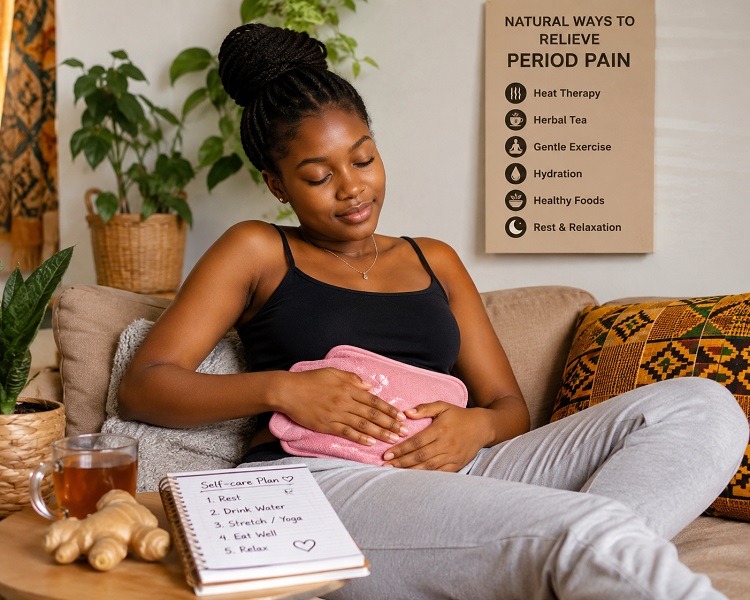
Warmth may help relax sore muscles. ACOG recommends using a heating pad or warm water bottle at the lowest temperature and protecting the skin with a towel to reduce the risk of burns.
Wear supportive footwear
Comfortable footwear can make everyday movement easier. ACOG recommends supportive, low-heeled footwear during pregnancy.
Give yourself adequate rest
Pregnancy is physically demanding. Rest when you need it, but prolonged bed rest is not generally a treatment for ordinary back pain.
When Should You See a Doctor or Healthcare Professional?
Not every episode of pregnancy-related lower back pain is simply a posture problem.
Contact your obstetrician, midwife, doctor, or other pregnancy-care professional if the pain is severe, persistent, worsening, or interfering significantly with daily activities.
ACOG specifically advises contacting an obstetric care provider for severe back pain or pain lasting more than two weeks.
Seek prompt medical assessment if back pain occurs with symptoms such as:
- Fever
- Burning or pain during urination
- Vaginal bleeding
- Significant abdominal or pelvic pain
- Fluid leakage
- Regular contractions or symptoms suggesting premature labor
- Pain following a significant fall or other trauma
- New weakness or numbness
- Difficulty walking
- Loss of bladder or bowel control
- Loss of feeling around the genitals or buttocks
NHS guidance also highlights fever, vaginal bleeding, painful urination, symptoms occurring in the second or third trimester that could indicate early labor, and loss of sensation in the legs, buttocks, or genital area as reasons for urgent or immediate assessment.
Do not assume that severe back pain is caused by poor sitting posture. Pregnancy-related back pain can sometimes occur alongside urinary infections, labor-related problems, nerve problems, or other conditions that require medical evaluation.
Frequently Asked Questions
What is the best sitting position for lower back pain during pregnancy?
A supportive, comfortable position is generally best. Sit with your back supported, use gentle lumbar support if needed, keep your feet supported, and avoid excessive slouching or arching. Most importantly, change positions regularly.
Is it okay to sit for long periods while pregnant?
Sitting itself is not automatically harmful, but prolonged static sitting can contribute to stiffness and musculoskeletal discomfort. Try to change position, stand, and move regularly.
Should I use a pillow behind my lower back?
Yes, a small pillow or rolled towel can be useful if your chair does not adequately support your lower back. The support should feel comfortable rather than forceful. ACOG recommends this type of support for pregnancy-related back discomfort.
Is sitting on a hard chair better for pregnancy back pain?
Not necessarily. A very hard chair can create pressure points, while a very soft chair may provide inadequate support. A stable chair with comfortable cushioning and good back support is usually more useful than choosing a chair based solely on how hard or soft it is.
Can poor sitting posture cause pregnancy back pain?
Poorly supported or sustained postures may contribute to discomfort, but pregnancy-related back pain has multiple possible causes. It should not automatically be blamed on posture.
Should my knees be higher or lower than my hips?
There is no single knee-to-hip position that is ideal for every pregnant woman. Aim for a comfortable position with your feet supported and without excessive pressure or strain.
Is it safe to use a pregnancy pillow while sitting?
A pregnancy pillow or small cushion can be used for sitting if it provides comfortable support. It should not force your body into an uncomfortable position or interfere with breathing, circulation, or safe movement.
How often should I get up and move around?
There is no universal pregnancy-specific interval that applies to everyone. Rather than waiting until your back becomes painful, use regular opportunities to stand, walk, stretch gently, or change position.
Can a physiotherapist help with pregnancy-related back pain?
Yes. A physiotherapist with pregnancy or pelvic-health experience can assess your symptoms and provide individualized advice about posture, movement, exercises, and daily activities. ACOG notes that an obstetric provider may recommend a rehabilitation specialist or physical therapist after other causes of pain have been considered.
When is lower back pain during pregnancy a warning sign?
Back pain deserves prompt medical attention when it is severe, rapidly worsening, follows trauma, or occurs with symptoms such as fever, vaginal bleeding, painful urination, contractions, significant pelvic or abdominal pain, new neurological symptoms, or loss of bladder or bowel control.
Final Takeaway
The best sitting position for lower back pain during pregnancy is not a rigid posture that every pregnant woman must follow. Instead, aim for comfortable support, relaxed alignment, supported feet, and frequent movement.
A practical starting position is to sit well back in a supportive chair, use a small lumbar cushion if needed, keep both feet supported, relax your shoulders, and avoid prolonged slouching or twisting.
Remember that pregnancy changes from trimester to trimester, and what feels comfortable today may not feel comfortable several weeks from now. Adjust your chair, cushions, workstation, and sitting position as your body changes.
Most importantly, do not assume that persistent or severe back pain is simply a posture problem. If your symptoms are severe, unusual, worsening, or accompanied by warning signs, contact your obstetrician, midwife, doctor, or other qualified healthcare professional.
Medical Disclaimer
This article is intended for general educational purposes and does not replace individualized medical assessment, diagnosis, or treatment. Pregnancy-related back pain can have different causes, and advice that is appropriate for one person may not be appropriate for another. If you have concerns about your symptoms, pregnancy, exercise, or treatment, speak with your obstetrician, midwife, physiotherapist, or other qualified healthcare professional.
Medically Reviewed / Expert Perspective
No individual medical reviewer was provided for this article. Therefore, no doctor, physiotherapist, midwife, or other healthcare professional is falsely presented as having reviewed or approved the content.
The medical information has been cross-checked against established guidance from professional healthcare organizations and peer-reviewed research.
Sources and References
-
- American College of Obstetricians and Gynecologists (ACOG) – Back Pain During Pregnancy
Covers causes of pregnancy-related back pain, posture, lumbar support, physical activity, and when to contact a healthcare professional.
ACOG: Back Pain During Pregnancy - NHS – Back Pain in Pregnancy
Provides guidance on supported sitting, maternity support pillows, movement, warning signs, and when pregnant women should seek medical attention.
NHS: Back Pain in Pregnancy - Mayo Clinic – Back Pain During Pregnancy: 7 Tips for Relief
Discusses posture, lumbar support, physical activity, heat, massage, footwear, and situations requiring medical attention.
Mayo Clinic: Back Pain During Pregnancy - Cochrane – Treatments for Preventing and Treating Low-Back and Pelvic Pain During Pregnancy
A systematic review examining exercise and other interventions for pregnancy-related low-back and pelvic pain. It provides useful evidence for discussing exercise and non-drug approaches.
Cochrane Review: Low-Back and Pelvic Pain During Pregnancy - World Health Organization (WHO) – Guidelines on Physical Activity and Sedentary Behaviour
Includes evidence-based recommendations relevant to physical activity and sedentary behaviour during pregnancy and the postpartum period.
WHO: Guidelines on Physical Activity and Sedentary Behaviour - WHO – Physical Activity Fact Sheet
Provides current public-health guidance on physical activity, including recommendations for pregnant and postpartum women without contraindications.
WHO: Physical Activity
- American College of Obstetricians and Gynecologists (ACOG) – Back Pain During Pregnancy
About the Author