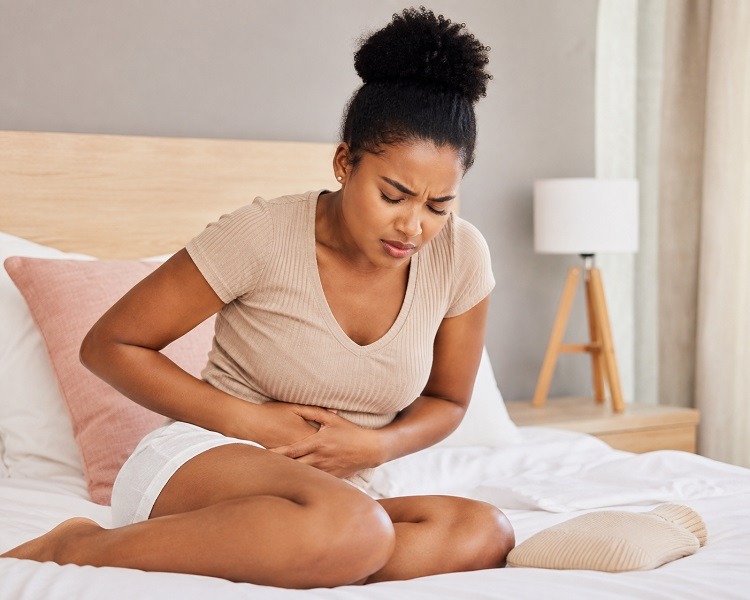
What Causes Severe Period Pain? Causes, Symptoms, and Treatment
What Causes Severe Period Pain? Severe period pain can be more than an uncomfortable part of menstruation. While mild to moderate cramps are common, severe period pain that interferes with work, school, sleep, exercise, or everyday activities may sometimes be a sign of an underlying health condition.
Period pain is medically known as dysmenorrhea. It can happen because the uterus contracts during menstruation, but conditions such as endometriosis, adenomyosis, uterine fibroids, and pelvic inflammatory disease can also cause significant pain.
Understanding what causes severe period pain can help you recognize when menstrual cramps may be normal and when it is important to seek medical evaluation.
What Is Severe Period Pain?
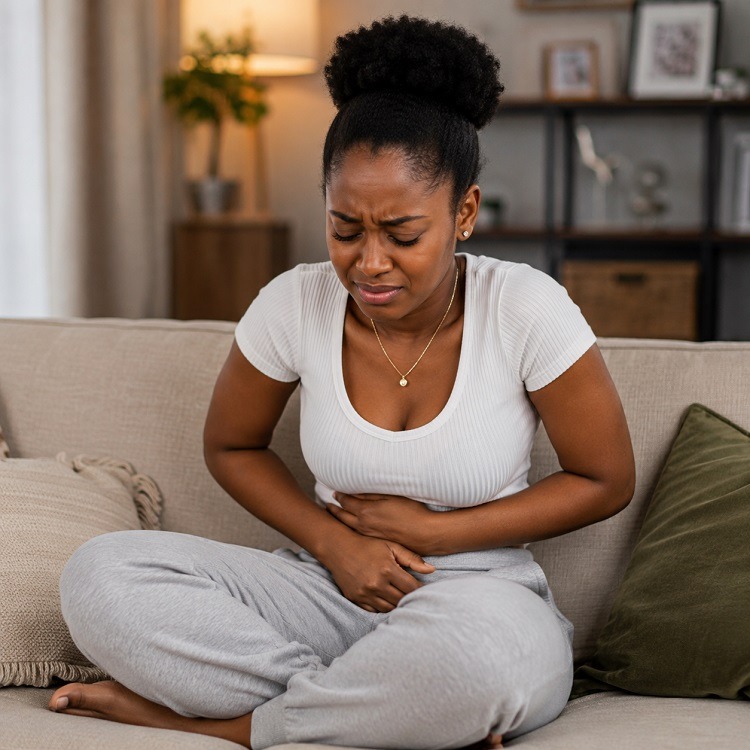
Period pain usually occurs in the lower abdomen shortly before or during menstruation. It may feel like cramping, throbbing, aching, or sharp pain.
Some people may also experience:
- Lower back pain
- Pain extending into the thighs
- Nausea or vomiting
- Diarrhea
- Headache
- Tiredness
- Dizziness
- General weakness
The severity of menstrual pain varies considerably. Some people experience mild cramps that last for a short time, while others have pain that makes normal activities extremely difficult.
What causes ordinary menstrual cramps?
During menstruation, the uterus contracts to help shed its lining. These contractions are influenced by chemicals called prostaglandins. Higher levels of prostaglandins are associated with stronger uterine contractions and can contribute to more painful cramps.
This type of menstrual pain is called primary dysmenorrhea.
However, severe or progressively worsening pain can sometimes be caused by another medical condition. This is called secondary dysmenorrhea.
What Causes Severe Period Pain?
There are several possible causes of severe menstrual pain. The most important include primary dysmenorrhea, endometriosis, adenomyosis, fibroids, pelvic inflammatory disease, and some ovarian or cervical conditions.
1. Primary Dysmenorrhea
Primary dysmenorrhea refers to painful periods that are not caused by another identifiable pelvic disease.
It commonly begins during adolescence or within a few years after menstruation starts.
The main mechanism involves prostaglandins, which encourage the uterus to contract. When contractions are particularly strong, they may temporarily reduce blood flow to the uterine muscle and contribute to pain.
Primary dysmenorrhea often:
- Begins shortly before or when menstruation starts
- Lasts for a few days
- Improves as the menstrual period progresses
- May be accompanied by nausea, diarrhea, headache, or back pain
Although primary dysmenorrhea is common, severe pain that significantly disrupts daily life should not simply be ignored.
2. Endometriosis
Endometriosis is an important cause of severe period pain.
It occurs when tissue similar to the lining of the uterus grows outside the uterus. These areas can respond to hormonal changes during the menstrual cycle, causing inflammation and pain.
Endometriosis can cause:
- Severe menstrual cramps
- Pelvic pain
- Pain before and during menstruation
- Pain during or after sexual intercourse
- Pain with bowel movements
- Pain when urinating, particularly around menstruation
- Heavy or irregular menstrual bleeding
- Difficulty becoming pregnant
The severity of pain does not always correspond to the extent of endometriosis. Some people with relatively extensive disease may have limited pain, while others can experience severe symptoms.
3. Adenomyosis
Adenomyosis occurs when tissue similar to the uterine lining grows into the muscular wall of the uterus.
It can make the uterus enlarged and may cause painful menstruation.
Common symptoms include:
- Severe menstrual cramps
- Heavy menstrual bleeding
- Pelvic pressure or discomfort
- Pain during intercourse
- Longer or more painful periods
Adenomyosis becomes more common with age but can occur in younger people as well.
4. Uterine Fibroids
Uterine fibroids are non-cancerous growths that develop in or around the uterus.
Many fibroids cause no symptoms. However, depending on their size and location, they may cause:
- Heavy menstrual bleeding
- Longer periods
- Pelvic pressure
- Lower abdominal pain
- Back pain
- Painful periods
- Frequent urination if a fibroid presses on the bladder
Fibroids are common, but having painful periods does not necessarily mean that you have fibroids.
5. Pelvic Inflammatory Disease
Pelvic inflammatory disease (PID) is an infection involving the female reproductive organs. It can develop when certain sexually transmitted infections or other bacteria spread upward from the vagina or cervix.
PID can cause pelvic or lower abdominal pain and may be associated with:
- Fever
- Unusual vaginal discharge
- Pain during sexual intercourse
- Pain when urinating
- Irregular bleeding
- Bleeding between periods
PID requires medical assessment and treatment. Delayed treatment can increase the risk of complications, including fertility problems.
6. Ovarian Cysts
Ovarian cysts are fluid-filled sacs that develop in or on an ovary. Many are harmless and disappear without treatment.
Some cysts, however, can cause pelvic pain or changes in menstruation.
Sudden, severe pelvic pain—particularly when accompanied by nausea or vomiting—can sometimes occur when an ovarian cyst ruptures or causes the ovary to twist. This can require urgent medical attention.
7. Cervical Stenosis
Cervical stenosis occurs when the opening of the cervix becomes unusually narrow.
In some cases, menstrual blood may have difficulty passing through the cervix, potentially contributing to painful menstruation.
It is less common than conditions such as primary dysmenorrhea, endometriosis, or fibroids.
8. Intrauterine Devices (IUDs)
Some people experience increased cramping after an intrauterine device is inserted, particularly during the initial period following insertion.
Copper IUDs can also cause heavier periods and increased cramping in some users, especially during the first several months.
Persistent or severe pain after IUD insertion should be evaluated by a healthcare professional, particularly if it occurs with fever, unusual discharge, heavy bleeding, or other concerning symptoms.
Normal Period Pain vs. Pain That May Need Medical Evaluation
Not every menstrual cramp indicates a serious problem. However, certain patterns deserve medical attention.
| More typical period pain | Pain that may need evaluation |
|---|---|
| Mild to moderate cramps | Severe or disabling pain |
| Occurs around menstruation | Pain suddenly becomes much worse |
| Improves after the first few days | Pain continues or progressively worsens |
| Does not significantly interfere with daily life | Prevents work, school, sleep, or normal activities |
| Responds to appropriate self-care | Does not improve with usual measures |
| Similar from cycle to cycle | New or substantially different pain |
This comparison is general information rather than a diagnosis.
When Should You See a Doctor About Severe Period Pain?
You should consider seeing a healthcare professional if your menstrual pain is severe, persistent, or interfering with your daily activities.
Medical evaluation is particularly important if you experience:
- Period pain that prevents you from attending school or work
- Pain that is becoming progressively worse
- Menstrual pain that begins later in life after previously comfortable periods
- Very heavy menstrual bleeding
- Bleeding between periods
- Pain during sexual intercourse
- Pain during bowel movements or urination
- Persistent pelvic pain between periods
- Unusual vaginal discharge
- Fever
- Difficulty becoming pregnant
- Severe weakness or dizziness associated with menstruation
When is severe pelvic pain an emergency?
Seek urgent medical attention if you develop sudden or extremely severe pelvic or abdominal pain, particularly if it occurs with heavy bleeding, fainting, severe dizziness, fever, persistent vomiting, or a possibility of pregnancy.
These symptoms can have causes that require prompt assessment.
How Do Doctors Find the Cause of Severe Period Pain?
A healthcare professional will usually begin by asking about your symptoms and menstrual history.
You may be asked:
- When did the pain begin?
- Does it occur before, during, or after your period?
- How severe is the pain?
- How long does it last?
- Has the pain become worse?
- How heavy is your menstrual bleeding?
- Do you experience pain during sex?
- Do you have bowel or urinary symptoms?
- Are your periods regular?
- Are you trying to become pregnant?
Depending on your symptoms, an examination may be performed.
Investigations can include:
- Pregnancy testing when appropriate
- Blood tests in selected circumstances
- Pelvic ultrasound
- Other imaging tests when indicated
- Additional investigations based on suspected conditions
Not everyone with painful periods needs every test. The appropriate evaluation depends on age, symptoms, medical history, and examination findings.
How Is Severe Period Pain Treated?
Treatment depends on the cause.
Pain-relieving medicines
Nonsteroidal anti-inflammatory drugs (NSAIDs) such as ibuprofen or naproxen can help some people with menstrual cramps because they reduce prostaglandin production.
However, these medicines are not appropriate for everyone. People with certain kidney problems, stomach ulcers, bleeding disorders, some cardiovascular conditions, medication interactions, or pregnancy may need to avoid or carefully manage NSAID use.
If you have an existing medical condition or take other medicines, ask a healthcare professional or pharmacist before using NSAIDs regularly.
Heat therapy
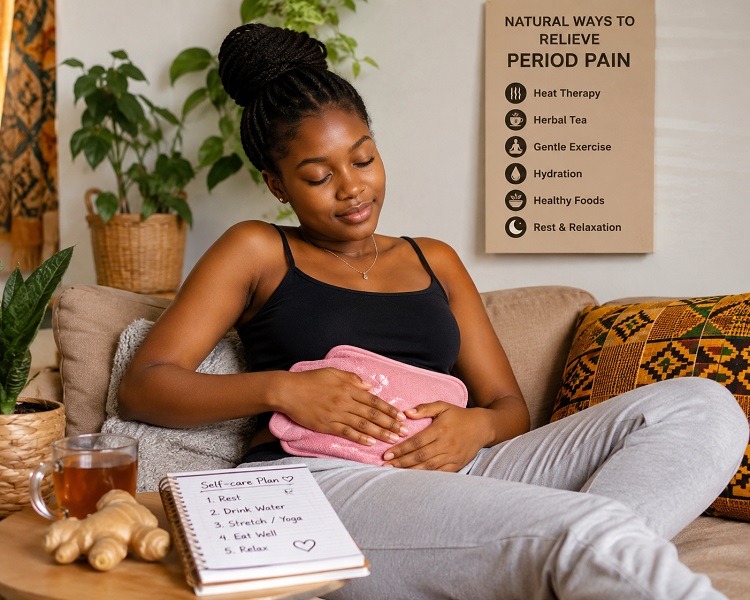
Applying a warm heating pad or hot-water bottle to the lower abdomen can provide relief for some people with menstrual cramps.
Take care to avoid burns by using an appropriate temperature and protecting the skin.
Physical activity
Gentle physical activity may help some people manage menstrual discomfort. Walking, stretching, yoga, or other comfortable activities may be useful.
You should not force yourself to exercise when pain is severe.
Hormonal treatments
Hormonal contraceptives and other hormonal treatments can reduce menstrual bleeding and pain in some people.
They may be particularly useful when menstrual pain is associated with conditions such as endometriosis.
A healthcare professional should determine whether a hormonal treatment is appropriate.
Treating the underlying condition
When severe period pain is caused by an underlying condition, treating that condition may be an important part of management.
For example:
- Endometriosis may require medical and sometimes surgical treatment.
- Fibroids may require monitoring, medication, minimally invasive procedures, or surgery depending on symptoms and circumstances.
- PID generally requires appropriate antibiotic treatment.
- Certain ovarian problems may require monitoring or further treatment.
Can Severe Period Pain Affect Fertility?
Severe period pain itself does not necessarily mean that someone will have fertility problems.
However, some conditions that cause severe menstrual pain can affect fertility.
Endometriosis, for example, can be associated with difficulty becoming pregnant. PID can also damage the reproductive organs and increase the risk of fertility problems if it is not treated promptly.
Therefore, people experiencing severe period pain together with difficulty becoming pregnant should discuss their symptoms with a qualified healthcare professional.
Severe Period Pain: Myths vs. Facts
Myth: Severe period pain is always normal.
Fact: Mild to moderate cramps are common, but severe or disabling pain can sometimes indicate an underlying condition.
Myth: You simply have to tolerate painful periods.
Fact: Effective treatments are available, and the appropriate treatment depends on the cause.
Myth: Severe cramps mean you have a low pain tolerance.
Fact: Severe menstrual pain can result from biological processes and medical conditions. It should not automatically be dismissed as being overly sensitive to pain.
Myth: Period pain cannot be treated.
Fact: Several treatments can help manage menstrual pain, and treating an underlying condition can improve symptoms in many cases.
Suggested Reads on This Site
Endometriosis symptoms and treatment
Health benefits and risks of painkillers
Heavy menstrual bleeding: causes and treatment
Frequently Asked Questions
1. Why are my period cramps so painful?
Very painful cramps can result from strong uterine contractions and increased prostaglandin activity. Severe pain may also be associated with conditions such as endometriosis, adenomyosis, fibroids, PID, or ovarian problems.
2. When is period pain considered severe?
Period pain may be considered severe when it significantly interferes with normal activities, causes substantial distress, does not respond adequately to usual measures, or is associated with other concerning symptoms.
3. Can endometriosis cause severe period pain?
Yes. Severe menstrual pain is one of the common symptoms of endometriosis. Other symptoms can include pelvic pain, painful sex, painful bowel movements, and difficulty becoming pregnant.
4. Can fibroids cause painful periods?
Yes. Fibroids can contribute to painful periods, although they more commonly cause heavy or prolonged menstrual bleeding and pelvic pressure.
5. Is severe period pain normal?
Some menstrual discomfort is normal, but severe or disabling period pain should not automatically be considered normal. If it interferes with your life, medical evaluation may be appropriate.
6. What can I do at home to relieve period pain?
Heat therapy, gentle physical activity, adequate rest, and appropriate over-the-counter pain medicines may help some people. However, persistent or severe pain should be evaluated rather than managed only at home.
7. Can severe period pain affect fertility?
The pain itself does not necessarily cause infertility. However, certain conditions associated with severe period pain—such as endometriosis or PID—can affect fertility.
8. When should I see a doctor for period cramps?
See a healthcare professional if the pain is severe, worsening, disabling, unusual for you, or accompanied by heavy bleeding, fever, unusual discharge, pain during sex, urinary or bowel symptoms, or difficulty becoming pregnant.
Understanding what causes severe period pain is important because not all menstrual cramps have the same cause. Primary dysmenorrhea can produce painful contractions without an underlying disease, while conditions such as endometriosis, adenomyosis, fibroids, pelvic inflammatory disease, and ovarian problems can also cause significant menstrual or pelvic pain.
You do not have to simply accept severe or disabling period pain as something you must endure. If your pain is affecting your daily activities, getting worse, or accompanied by unusual bleeding or other symptoms, speak with a qualified healthcare professional.
Finding the underlying cause can help you receive appropriate treatment and improve your quality of life.
Medical disclaimer: This article is intended for general educational purposes and does not provide a diagnosis or replace an assessment by a qualified healthcare professional. Seek urgent medical care for sudden, severe pelvic pain or severe symptoms such as fainting, heavy bleeding, fever, or possible pregnancy.
Credible References
- American College of Obstetricians and Gynecologists (ACOG) – Dysmenorrhea: Painful Periods
This is particularly useful for information about prostaglandins, primary and secondary dysmenorrhea, causes, symptoms, diagnosis, and treatment.
ACOG – Dysmenorrhea: Painful Periods - NHS – Period Pain
A reliable patient-health resource covering common causes of period pain, endometriosis, adenomyosis, fibroids, pelvic inflammatory disease, IUD-related pain, and when to seek medical attention.
NHS – Period Pain - Mayo Clinic – Menstrual Cramps: Symptoms & Causes
Provides information on dysmenorrhea, prostaglandins, endometriosis, fibroids, adenomyosis, pelvic inflammatory disease, cervical stenosis, symptoms, risk factors, and complications.
Mayo Clinic – Menstrual Cramps - NICE – Endometriosis: Diagnosis and Management
The National Institute for Health and Care Excellence guideline is a particularly strong clinical reference for discussing endometriosis-related period pain, diagnosis, referral, treatment, and fertility considerations. The guideline was updated in November 2024.
NICE – Endometriosis: Diagnosis and Management - World Health Organization (WHO) – Endometriosis Fact Sheet
WHO provides authoritative information about endometriosis, including severe menstrual pain, heavy bleeding, chronic pelvic pain, infertility, and other associated symptoms.
WHO – Endometriosis Fact Sheet - BMJ – Diagnosis and Management of Endometriosis: Summary of Updated NICE Guidance
This peer-reviewed clinical summary discusses the updated NICE recommendations and highlights symptoms that should raise suspicion for endometriosis, including period-related pain affecting daily activities.
BMJ – Diagnosis and Management of Endometriosis
About the Author