Delivering Free Primary Health Care in Ghana
Delivering Free Primary Health Care in Ghana. The Ghana Health Service (GHS) is set to provide health workers involved in community and home-based services under the Free Primary Health Care (FPHC) programme with official identification cards equipped with security features.
Director-General of the GHS, Dr Samuel Kaba Akoriyea, said the initiative would make it easier for members of the public to confirm whether individuals visiting their homes or communities were genuine health workers.
According to him, the identification cards would carry unique security codes connected to the GHS database. The codes would allow the identity of health workers to be verified through a scanning system.
Dr Akoriyea explained that the cards would be issued to health workers, particularly Community Health Nurses (CHNs), without any charge as part of efforts to improve the security and effectiveness of the FPHC programme.
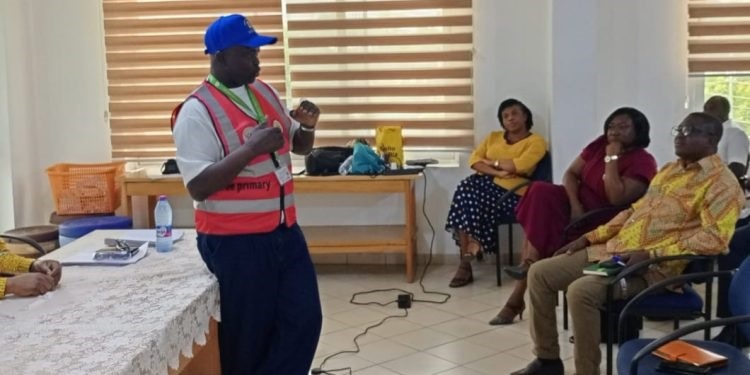
He made the announcement while speaking at a two-day Trainer of Trainers programme on Free Primary Health Care held in Bolgatanga. The event brought together GHS directors, senior managers and other officials from the national and regional levels.
The Director-General said the identification system was important because CHNs would be required to make home visits and conduct community outreach activities as part of the new programme.
He noted that the increased presence of health workers in homes and communities could create opportunities for criminals or other individuals to falsely claim to be GHS employees.
Dr Akoriyea said the security code on each card would provide a reliable way to distinguish genuine health workers from imposters.
He explained that once an identification card was scanned, the system would check the details against the GHS database and confirm whether the individual was an authorised health worker.
He further warned that anyone who attempted to use the name of the Ghana Health Service without being an employee would be exposed through the verification system.
Beyond preventing impersonation, Dr Akoriyea said the identification system would also promote accountability and increase public confidence in the Free Primary Health Care programme.
He explained that the FPHC programme would be implemented through three major pillars.
The first pillar would focus on taking health services closer to people through home visits, community outreach programmes and health durbars. Community Health Nurses would use these activities to identify health problems at an early stage and refer individuals who require further treatment to CHPS compounds, health centres and polyclinics.
The second pillar would involve the introduction of patient navigators. These individuals would help patients move more easily through the healthcare system by connecting them with appropriate health facilities and assisting them to obtain appointments.
Patient navigators would also help ensure that relevant information from health facilities reached community health workers so that patients could receive the necessary follow-up care within their communities.
Patients would also benefit from reminders before scheduled appointments, helping to reduce missed visits and improve continuity of care.
Dr Akoriyea expressed optimism that the Free Primary Health Care programme would significantly improve access to essential healthcare services, particularly at the community level.
He said the broader goal was to create a system where people could obtain basic health services without being required to make payments to individuals at the point of receiving care.
The introduction of secure staff identification cards is therefore expected to support both the safety of community-based health workers and the confidence of residents as the Ghana Health Service expands primary healthcare services to homes and communities.
Source: GNA
About the Author