How to Help a Child Lose Weight Without Making Them Feel Bad
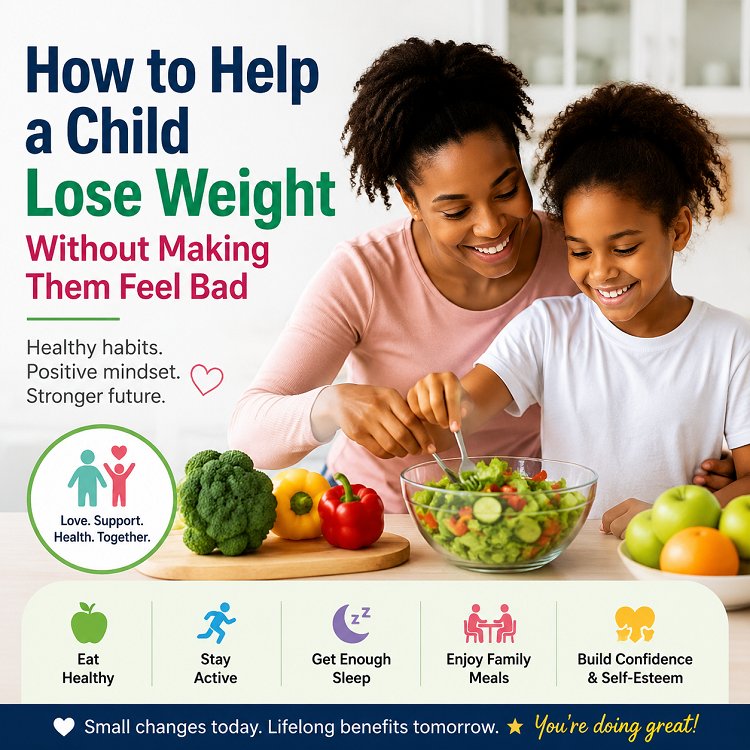
How to Help a Child Lose Weight Without Making Them Feel Bad
Helping a child achieve a healthy weight can be one of the most sensitive challenges parents face. Many adults worry about saying the wrong thing or damaging a child’s confidence. The good news is that how to help a child lose weight without making them feel bad is not about putting them on a strict diet. Instead, it is about creating a healthy, supportive environment where positive habits become part of everyday life.
Children thrive when they feel loved, accepted, and encouraged. Rather than focusing on appearance or numbers on the scale, focus on health, energy, strength, and happiness. With patience and consistency, families can make lasting lifestyle changes that benefit everyone.
How to Lose Weight Slowly and Sustainably
What Is Childhood Obesity?
Childhood obesity is a medical condition where a child has excess body fat that may affect their health. Doctors usually assess this using Body Mass Index (BMI) for age and sex, together with the child’s growth pattern and overall health.
A child who is overweight or obese has a higher risk of developing health problems, including:
- Type 2 diabetes
- High blood pressure
- High cholesterol
- Sleep problems
- Joint pain
- Fatty liver disease
- Low self-esteem
- Anxiety and depression
However, many of these risks can be reduced through healthy lifestyle changes made gradually and positively.
What Are the 10 Main Causes of Childhood Obesity?
Many factors contribute to childhood obesity. It is rarely caused by just one issue.
| Cause | How It Contributes |
|---|---|
| Poor eating habits | Frequent fast foods, sugary drinks, and snacks |
| Physical inactivity | Too little exercise or outdoor play |
| Excess screen time | More sitting and less movement |
| Family eating patterns | Children copy parents’ habits |
| Genetics | Some children inherit a higher risk |
| Poor sleep | Lack of sleep affects hunger hormones |
| Emotional eating | Eating due to stress or boredom |
| Large portion sizes | Consuming more calories than needed |
| Medical conditions | Rare hormonal or genetic disorders |
| Certain medications | Some medicines may increase weight |
Understanding these causes helps parents choose healthier solutions rather than blaming the child.
What Are the Common Symptoms of Childhood Obesity?
While weight itself is visible, childhood obesity may also include:
- Clothes becoming tight quickly
- Shortness of breath during play
- Difficulty keeping up with friends
- Fatigue
- Snoring during sleep
- Joint or knee pain
- Stretch marks
- Low confidence
- Avoiding sports
- Bullying-related emotional distress
If parents notice these symptoms, consulting a healthcare professional is recommended.
How to Help a Child Lose Weight Without Making Them Feel Bad
The key to how to help a child lose weight without making them feel bad is making the entire family healthier together.
1. Never Shame or Criticize
Avoid comments about appearance.
Instead of saying:
“You’re too fat.”
Say:
“Let’s become a healthier family together.”
Positive language protects self-esteem.
2. Focus on Health Instead of Weight
Celebrate:
- More energy
- Better sleep
- Stronger muscles
- Improved fitness
- Better mood
Children respond much better when the goal is health rather than appearance.
3. Make Healthy Eating a Family Habit
Rather than placing one child on a diet:
- Eat vegetables together.
- Drink water together.
- Reduce sugary drinks.
- Serve balanced meals.
Children imitate adults.
4. Encourage Active Play
Exercise should feel fun—not like punishment.
Ideas include:
- Football
- Swimming
- Dancing
- Cycling
- Skipping rope
- Family walks
- Hiking
- Playground games
Aim for at least 60 minutes of physical activity daily.
5. Avoid Strict Diets
Children are still growing.
Instead of restricting food:
- Offer healthier choices.
- Serve smaller portions.
- Encourage slow eating.
- Keep unhealthy snacks out of the house.
6. Praise Effort
Celebrate every healthy choice.
Examples:
- Trying vegetables
- Walking after dinner
- Choosing water
- Playing outside
Praise builds confidence and motivation.
7. Limit Screen Time
Too much television, gaming, and mobile phone use encourage inactivity.
Healthy limits include:
- Screen-free meals
- Outdoor play after school
- Family activity weekends
8. Ensure Enough Sleep
Poor sleep increases hunger hormones and unhealthy cravings.
Recommended sleep:
| Age | Sleep Needed |
|---|---|
| Preschool | 10–13 hours |
| School-age | 9–12 hours |
| Teenagers | 8–10 hours |
9. Involve Children in Cooking
Children are more likely to eat healthy foods they help prepare.
Simple tasks include:
- Washing vegetables
- Mixing salads
- Preparing fruit snacks
- Reading food labels
10. Set Realistic Goals
Healthy weight improvement is gradual.
Focus on:
- Better habits
- Slow progress
- Long-term success
What Are 10 Effective Ways to Control Obesity?
Parents can reduce obesity risk through these evidence-based habits:
- Eat breakfast daily.
- Choose fruits instead of sweets.
- Drink water instead of sugary beverages.
- Increase vegetables.
- Reduce fast food.
- Encourage daily physical activity.
- Get enough sleep.
- Reduce screen time.
- Eat meals together.
- Visit healthcare providers for regular growth monitoring.
What Are Some Ways to Prevent Childhood Obesity?
Prevention is easier than treatment.
Healthy prevention strategies include:
- Breastfeeding where possible
- Introducing healthy foods early
- Avoiding sugary drinks
- Encouraging outdoor play
- Limiting processed foods
- Teaching portion control
- Having regular meal times
- Being a healthy role model
- Supporting emotional wellbeing
- Encouraging lifelong physical activity
Benefits of a Healthy Weight for a Child
Helping a child maintain a healthy weight offers many lifelong advantages.
These include:
- Better heart health
- Stronger bones
- Improved confidence
- Better school performance
- Higher energy levels
- Better sleep
- Lower diabetes risk
- Reduced joint pain
- Better mental health
- Improved quality of life
Home Remedies for Childhood Obesity
Simple home habits often produce the biggest results.
Consider these practical strategies:
- Replace sugary drinks with water.
- Keep fruit visible.
- Prepare healthy lunches.
- Serve vegetables first.
- Eat together as a family.
- Encourage outdoor games.
- Limit junk food purchases.
- Use smaller plates.
- Avoid eating while watching TV.
- Keep healthy snacks available.
Remember, these are lifestyle practices—not quick fixes.
Step-by-Step Approach to Helping a Child
Step 1: Consult a Healthcare Professional
Rule out medical conditions and receive personalized guidance.
Step 2: Set Family Goals
Everyone participates—not just the child.
Step 3: Improve Nutrition
Gradually replace unhealthy foods.
Step 4: Increase Daily Activity
Make movement enjoyable.
Step 5: Monitor Progress
Focus on habits rather than daily weight.
Step 6: Celebrate Small Wins
Recognize positive behavior consistently.
Common Mistakes to Avoid
When learning how to help a child lose weight without making them feel bad, avoid these common errors:
- Criticizing body size
- Comparing siblings
- Using food as a reward
- Skipping meals
- Following fad diets
- Forcing exercise
- Expecting rapid weight loss
- Ignoring emotional health
- Keeping unhealthy foods easily available
- Focusing only on the scale
Frequently Asked Questions (FAQs)
1. How can I encourage my child to lose weight without hurting their feelings?
Focus on healthy family habits rather than weight. Praise healthy behaviors and avoid negative comments about appearance.
2. Should children go on diets?
Most children should not follow restrictive diets. Instead, encourage balanced eating and regular physical activity under professional guidance if needed.
3. How much exercise does a child need?
Most children should aim for at least 60 minutes of moderate to vigorous physical activity every day.
4. Can childhood obesity be reversed?
Yes. Many children achieve healthier weights through consistent lifestyle changes, family support, and professional guidance when necessary.
5. When should parents seek medical help?
Consult a healthcare provider if a child gains weight rapidly, has health problems related to weight, or if parents are unsure about the safest approach.
Conclusion
Learning how to help a child lose weight without making them feel bad begins with compassion, patience, and positive family habits. Healthy eating, enjoyable physical activity, enough sleep, and emotional support create lasting changes without damaging a child’s confidence. Every child deserves encouragement rather than criticism, and every small healthy choice builds a stronger future.
Remember that healthy weight management is a journey, not a race. By focusing on wellbeing instead of appearance, parents can help children develop lifelong habits that support both physical and emotional health.
Summary
Helping children maintain a healthy weight is about building a supportive environment where healthy eating, regular activity, good sleep, and positive encouragement become everyday habits. Avoid blame or shame, involve the whole family, and celebrate progress instead of perfection. Consistency and kindness are the keys to long-term success.
Call to Action
Start today by making one healthy family change—whether it’s taking an evening walk, replacing sugary drinks with water, or preparing a nutritious meal together. Small steps taken consistently can transform your child’s health, confidence, and future.
References
- World Health Organization (WHO). Obesity and overweight. https://www.who.int/news-room/fact-sheets/detail/obesity-and-overweight
- American Academy of Pediatrics. Clinical Practice Guideline for the Evaluation and Treatment of Children and Adolescents With Obesity. Pediatrics. 2023.
- Mayo Clinic. Childhood obesity: Symptoms and causes. https://www.mayoclinic.org
- Centers for Disease Control and Prevention (CDC). Preventing Childhood Obesity: 6 Things Families Can Do. https://www.cdc.gov
- National Institute of Diabetes and Digestive and Kidney Diseases (NIDDK). Helping Your Child Who Is Overweight. https://www.niddk.nih.gov
About the Author

Gatorwu
Administrator
Mr. Sylvanus Gatorwu is a public health educator with over 15 years of experience in community health promotion, kidney disease awareness, health education, and preventive healthcare. His work includes community outreach, public health campaigns, patient education, and collaboration with healthcare professionals to improve health literacy. He has worked closely with organizations like PEPFAR where he spearheaded the training of journalists in the Eastern Region of Ghana on how to write quality health articles. He also managed the Matthew Chapter 25 House (An HIV and AIDS Resource Centre), where he coordinated activities of people living with HIV.