10 Reasons Why You Are So Tired and What to Do
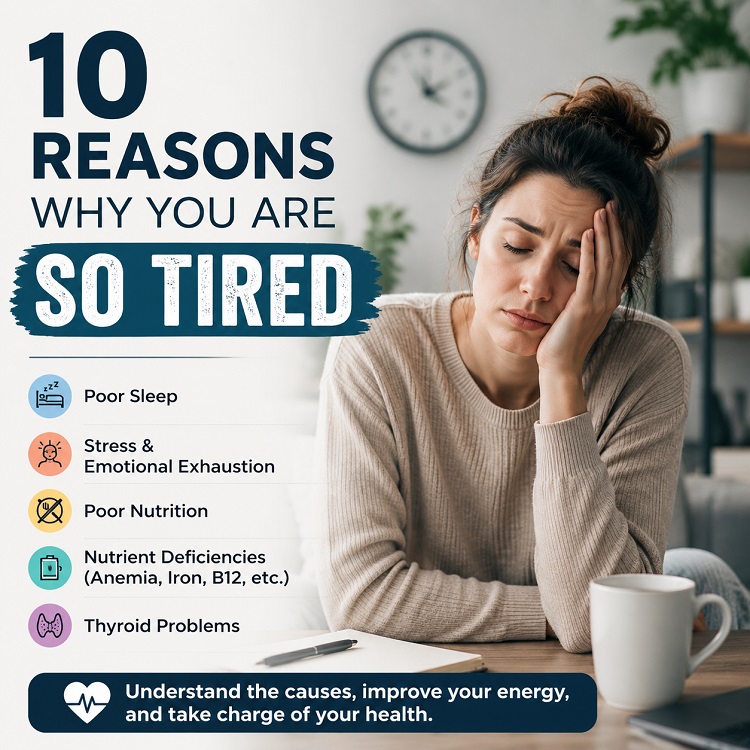
10 Reasons Why You Are So Tired. Have you ever slept for hours, woken up, and still felt as if you could go straight back to bed? If you regularly ask yourself, “10 Reasons why you are so tired,” you are not alone. Occasional tiredness is normal, especially after a busy day, poor sleep, physical activity, or emotional stress. However, constant fatigue may sometimes point to an underlying problem.
Tiredness can affect your concentration, mood, work, exercise, relationships, and quality of life. It may be caused by something simple, such as an irregular sleep schedule, but it can also occur with conditions such as anemia, diabetes, thyroid disorders, depression, infections, or sleep apnea.
The good news is that many causes can be addressed. Understanding 10 Reasons why you are so tired can help you recognize possible triggers and know when it is time to seek professional medical advice.
Important: This article is for health education. Persistent or unexplained fatigue should be assessed by a qualified healthcare professional rather than self-diagnosed.
What Is Tiredness or Fatigue?
Fatigue is more than simply feeling sleepy. It can mean a lack of physical or mental energy, reduced motivation, or difficulty completing normal activities. Drowsiness, on the other hand, is mainly the feeling that you need to sleep.
For example, someone may feel physically exhausted after exercise but still be mentally alert. Another person may feel sleepy throughout the day and struggle to stay awake during meetings or while reading.
If you are wondering about 10 Reasons why you are so tired, it is useful to first consider whether you are experiencing sleepiness, physical weakness, mental exhaustion, or a combination of these.
10 Reasons Why You Are So Tired
1. You Are Not Getting Enough Quality Sleep
One of the most common answers to 10 Reasons why you are so tired is inadequate or poor-quality sleep.
Most adults need around 7–8 hours of sleep each night, although individual needs vary. Regularly sleeping less than you need can create accumulated sleep debt.
However, the number of hours is not the only issue. You may spend eight hours in bed but still wake up exhausted if your sleep is frequently interrupted.
Common causes include:
- Going to bed very late
- Working night shifts
- Using phones or computers late at night
- Frequent nighttime waking
- An irregular sleep schedule
- Excessive caffeine late in the day
- Alcohol interfering with sleep quality
This can explain why you feel sleepy all the time even when you get enough sleep.
2. Sleep Apnea May Be Disrupting Your Sleep
Sleep apnea is a condition in which breathing repeatedly stops and starts during sleep. It can prevent you from getting restorative sleep even when you spend enough time in bed.
Possible clues include:
- Loud snoring
- Gasping or choking during sleep
- Morning headaches
- Excessive daytime sleepiness
- Difficulty concentrating
- Always waking up tired no matter how much sleep you get
If someone tells you that you stop breathing or gasp during sleep, speak with a healthcare professional. Sleep apnea can be treated, but it should not be ignored.
3. Stress and Emotional Exhaustion
Another important factor in 10 Reasons why you are so tired is chronic stress.
Your body can remain physically alert when you are constantly worried about money, work, relationships, family responsibilities, school, or other challenges. Over time, this can leave you mentally and physically drained.
Stress may also interfere with sleep, creating a cycle:
Stress → poor sleep → daytime fatigue → reduced productivity → more stress.
Anxiety and depression can also contribute to fatigue. If tiredness is accompanied by persistent sadness, loss of interest, hopelessness, excessive worry, or major changes in sleep and appetite, seek professional help.
4. Poor Nutrition Can Leave You Without Energy
Your body needs adequate calories, protein, vitamins, minerals, fluids, and other nutrients to function properly.
Skipping meals or regularly relying on highly processed foods may make some people feel sluggish. Dehydration can also contribute to tiredness.
A balanced diet should generally include:
- Vegetables and fruits
- Whole grains
- Beans and other legumes
- Eggs, fish, poultry, or other protein sources
- Healthy fats
- Adequate fluids
However, taking supplements without knowing whether you have a deficiency is not always helpful. If fatigue is persistent, a healthcare professional can determine whether testing is appropriate.
5. Iron-Deficiency Anemia
Anemia occurs when your blood does not have enough healthy red blood cells or hemoglobin to carry oxygen effectively.
Iron-deficiency anemia is an important possible explanation for why my body feels weak and tired.
Other symptoms may include:
- Pale skin
- Shortness of breath
- Dizziness
- Headaches
- Heart palpitations
- Reduced exercise tolerance
People who experience heavy menstrual bleeding may be particularly vulnerable to iron deficiency. However, anemia can have several causes, including blood loss and nutritional deficiencies.
Do not automatically assume that you need iron tablets. Too much iron can also be harmful, so the cause should be investigated.
6. Thyroid Problems
Your thyroid gland helps regulate many processes in the body, including metabolism.
Both an underactive thyroid and an overactive thyroid can cause symptoms that include tiredness or weakness, although the pattern can differ.
An underactive thyroid may be associated with:
- Fatigue
- Feeling unusually cold
- Weight gain
- Constipation
- Dry skin
- Low mood
- Difficulty concentrating
An overactive thyroid may cause tiredness alongside symptoms such as anxiety, irritability, muscle weakness, sweating, or a fast heartbeat.
A blood test can help healthcare professionals assess thyroid function.
7. Diabetes or Blood Sugar Problems
Fatigue can sometimes be associated with diabetes.
If your body cannot properly regulate blood glucose, you may experience tiredness along with:
- Increased thirst
- Frequent urination
- Unexplained weight loss
- Blurred vision
- Increased hunger
The NHS identifies excessive thirst, frequent urination, and weight loss alongside tiredness as possible signs of diabetes.
If these symptoms occur together, medical evaluation is important.
8. Certain Medicines, Alcohol or Other Substances
Some medicines can cause drowsiness or fatigue. Examples may include certain antihistamines, antidepressants, pain medicines, and other medications.
Alcohol can also interfere with normal sleep patterns. You may fall asleep quickly after drinking but still experience poorer-quality sleep.
Therefore, if your tiredness began after starting a new medicine or changing a dose, discuss it with your healthcare professional. Do not stop prescribed medication suddenly without medical advice.
9. Too Little—or Too Much—Physical Activity
It may seem surprising, but being inactive can contribute to feeling tired.
Regular physical activity supports physical fitness, mental well-being, and sleep. The World Health Organization recommends that adults aim for 150–300 minutes of moderate-intensity aerobic activity each week, or an equivalent amount of vigorous activity, when appropriate.
You do not have to begin with intense exercise.
Start with practical activities such as:
- Walking
- Gentle stretching
- Cycling
- Dancing
- Swimming
- Household activities
At the same time, excessive training without adequate recovery can also cause fatigue. The goal is balance.
10. An Underlying Medical Condition
The final point in 10 Reasons why you are so tired is that persistent fatigue can sometimes be a symptom of an underlying illness.
Fatigue may occur with conditions involving the heart, kidneys, liver, lungs, thyroid, nervous system, or immune system. It can also accompany infections, chronic pain, depression, anxiety, and other conditions.
This does not mean that being tired automatically means you have a serious disease.
However, unexplained fatigue that continues for weeks deserves attention.
Why Am I Always Tired and Have No Energy as a Female?
Women can experience tiredness for many of the same reasons as men. However, certain situations may increase the likelihood of fatigue.
These include:
- Heavy menstrual bleeding
- Iron deficiency
- Pregnancy
- Hormonal changes
- Menopause
- Poor sleep
- Stress and caregiving responsibilities
- Thyroid problems
If you are asking, “Why am I always tired and have no energy female?”, consider whether you have heavy periods, recent hormonal changes, pregnancy, dietary changes, or other symptoms.
Persistent fatigue should be evaluated rather than automatically attributed to hormones.
What About a 40-Year-Old Male Who Is Tired All the Time?
Being tired does not automatically result from getting older.
If a 40 year old male is tired all the time, possible causes include inadequate sleep, sleep apnea, stress, poor nutrition, low physical activity, alcohol use, medication effects, anemia, thyroid problems, diabetes, depression, or another health condition.
Aging should not be used as an excuse to ignore persistent fatigue.
Feeling Tired and Weak in the Morning
If you experience feeling tired and weak in the morning, pay attention to your sleep quality.
Ask yourself:
- Do I snore loudly?
- Do I wake up gasping?
- Do I wake several times at night?
- Do I use my phone until bedtime?
- Do I keep different sleeping hours on different days?
- Do I wake with headaches?
- Am I getting enough sleep?
If you consistently sleep for an adequate amount of time but remain unrefreshed, speak with a healthcare professional. Sleep disorders and other medical conditions may need to be considered.
Common Ways to Avoid Constant Tiredness
While treatment depends on the cause, several healthy habits can support better energy.
| Habit | Practical approach |
|---|---|
| Sleep | Keep a consistent bedtime and wake-up time |
| Exercise | Start with regular walking or another activity you enjoy |
| Food | Eat balanced meals rather than regularly skipping meals |
| Hydration | Drink enough fluids throughout the day |
| Stress | Build short periods of relaxation into your routine |
| Caffeine | Avoid excessive caffeine, particularly late in the day |
| Alcohol | Limit alcohol, especially close to bedtime |
| Medical care | Investigate persistent or unexplained fatigue |
These changes are not a substitute for medical care when an illness is responsible.
Tips to Avoid Being Constantly Tired
If you want to improve your energy, start with small changes rather than trying to change everything at once.
Create a Sleep Routine
Go to bed and wake up at approximately the same time each day. Give yourself enough time for sleep.
Move More During the Day
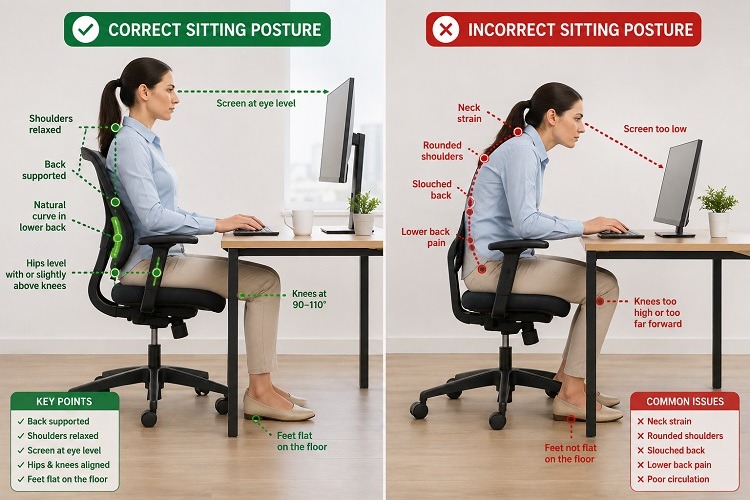
If you spend most of the day sitting, take short walking or stretching breaks. Gradually increase your activity as your fitness improves.
WHO notes that any physical activity is better than none, and regular activity has benefits for physical and mental health.
Eat Regular, Balanced Meals
Avoid relying heavily on sugary foods or energy drinks to fight fatigue. Choose meals containing protein, whole grains, vegetables, fruits, and healthy fats.
Manage Stress
Try practical strategies such as:
- Deep breathing
- Walking outdoors
- Talking to someone you trust
- Prayer or meditation
- Organizing your daily tasks
- Taking short breaks from work
Review Your Medicines
If tiredness started after beginning a medication, ask your doctor or pharmacist whether it could be contributing.
When Should You See a Doctor About Tiredness?
You should consider medical evaluation if fatigue:
- Has continued for several weeks
- Is getting worse
- Interferes with work or daily activities
- Happens despite adequate sleep
- Is accompanied by unexplained weight loss
- Occurs with persistent fever
- Comes with shortness of breath
- Is associated with unusual bleeding
- Is accompanied by significant mood changes
Mayo Clinic recommends seeking medical care when fatigue does not improve after measures such as adequate rest, reducing stress, eating well, and staying hydrated.
Seek Emergency Medical Help for Severe Symptoms
Fatigue accompanied by chest pain, severe shortness of breath, fainting or near-fainting, an unusually fast or irregular heartbeat, severe pain, unusual bleeding, or a severe headache requires urgent medical attention.
Frequently Asked Questions
1. Why am I tired all the time?
Constant tiredness can result from poor sleep, stress, inactivity, poor nutrition, medication effects, anemia, thyroid problems, diabetes, sleep apnea, depression, or other medical conditions. Persistent unexplained fatigue should be assessed by a healthcare professional.
2. Why do I feel sleepy all the time even when I get enough sleep?
Getting enough hours of sleep does not always mean getting good-quality sleep. Sleep apnea, an irregular sleep schedule, frequent nighttime waking, medicines, and other conditions can cause daytime sleepiness.
3. Why does my body feel weak and tired all of a sudden?
Sudden weakness or fatigue can occur with infection, dehydration, lack of food, stress, poor sleep, medication effects, or other medical problems. If sudden weakness is severe or occurs with serious symptoms, seek urgent medical care.
4. Why am I always waking up tired?
Possible causes include insufficient sleep, poor sleep quality, sleep apnea, irregular sleep schedules, alcohol use, stress, and certain medical conditions.
5. Why am I feeling tired all the time and sleeping a lot?
Excessive sleep combined with persistent fatigue may indicate poor-quality sleep, depression, medication effects, sleep disorders, or another underlying health problem. Sleeping longer does not necessarily correct the cause.
6. Why does my body feel weak and tired all of a sudden?
If the change is sudden and significant, do not simply assume you need more sleep. Consider recent illness, dehydration, missed meals, medication changes, or other symptoms. Sudden severe weakness requires prompt medical assessment.
Final Thoughts on 10 Reasons Why You Are So Tired
The 10 Reasons why you are so tired can range from simple lifestyle problems to conditions that require medical attention. Poor sleep, stress, nutrition, inactivity, medications, anemia, thyroid problems, diabetes, sleep apnea, and other illnesses can all contribute to fatigue.
The important lesson is that constant tiredness should not always be accepted as normal.
Start by looking at your sleep, diet, activity levels, stress, medications, and daily routine. Make practical changes and monitor how you feel. However, if fatigue persists, becomes worse, or affects your ability to live normally, talk to a healthcare professional.
Do not spend months simply pushing through exhaustion.
Listen to your body, take practical steps to improve your health, and seek professional advice when you need it. Your energy and well-being are worth investigating and protecting.
References
- World Health Organization (WHO). Physical Activity. WHO provides evidence-based recommendations on physical activity and its health benefits. WHO – Physical Activity
- National Heart, Lung, and Blood Institute (NHLBI), National Institutes of Health. Sleep Deprivation and Deficiency. This resource explains inadequate and poor-quality sleep and its effects on daytime functioning. NHLBI – Sleep Deprivation and Deficiency
- Mayo Clinic. Fatigue – Causes. A medically reviewed resource covering lifestyle and medical causes of persistent fatigue. Mayo Clinic – Fatigue Causes
- MedlinePlus, U.S. National Library of Medicine. Fatigue. An evidence-based patient health resource describing fatigue, common causes, and when evaluation may be appropriate. MedlinePlus – Fatigue
- NHS. Tiredness and Fatigue. A clinical patient-information resource discussing common causes of fatigue, including anemia, diabetes, thyroid disorders, sleep apnea, and mental health conditions. NHS – Tiredness and Fatigue
About the Author