First Person in Louisiana Functionally Cured of Sickle Cell Disease Through Groundbreaking Gene Therapy
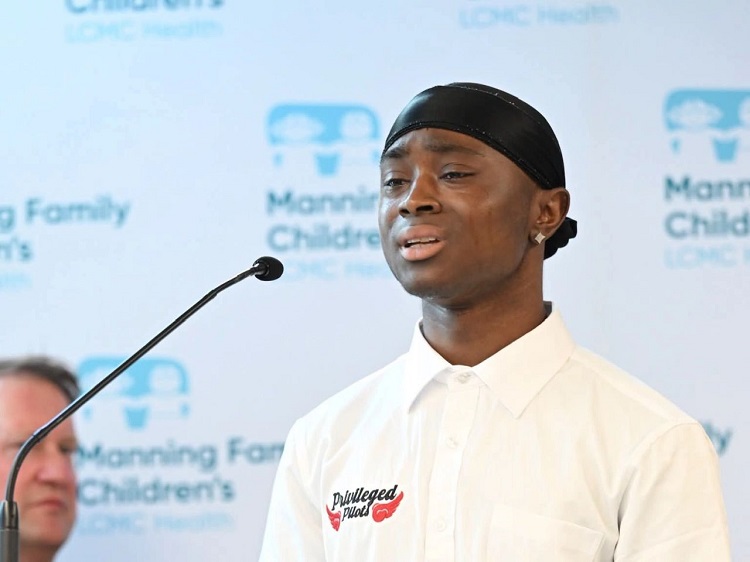
First Person in Louisiana Functionally Cured of Sickle Cell Disease Through Groundbreaking Gene Therapy | In a historic medical milestone, Daniel Cressy has become the first person in Louisiana to be functionally cured of sickle cell disease (SCD) through an advanced gene therapy procedure performed at Manning Family Children’s. The achievement marks a new era in the treatment of one of the world’s most common inherited blood disorders and offers renewed hope to thousands of patients and families living with the disease.
After enduring 23 years of painful complications caused by sickle cell disease, Daniel’s life has been transformed by a cutting-edge treatment that uses his own genetically modified blood stem cells to eliminate the effects of the condition. Approximately 100 days after receiving the gene therapy infusion, medical experts confirmed that his blood cells are no longer sickling and his blood has returned to normal for the first time in his life.
A New Chapter in the Fight Against Sickle Cell Disease
Sickle cell disease is a genetic condition that affects the body’s red blood cells. Instead of maintaining their normal round shape, the cells become rigid and crescent-shaped, making it difficult for them to move through blood vessels. This can lead to severe pain crises, chronic anemia, organ damage, infections, strokes, and a significantly reduced quality of life.
For many patients, treatment has focused on managing symptoms through medications, blood transfusions, and supportive care. While bone marrow transplantation has long been considered the only potential cure, it requires a closely matched donor and is not an option for many individuals.
Gene therapy is changing that reality.
How the Groundbreaking Gene Therapy Works
Daniel’s treatment did not rely on a donor. Instead, doctors collected his own blood-forming stem cells and genetically modified them in a specialized laboratory.
The modified cells were designed to produce healthy hemoglobin—the protein in red blood cells responsible for carrying oxygen throughout the body. Healthy hemoglobin prevents red blood cells from developing the characteristic sickle shape that causes painful complications.
After the modified cells were returned to Daniel’s body through an infusion, they began producing normal red blood cells. Within about 100 days, tests showed that his blood was functioning normally, effectively eliminating the sickling process that had defined his life since childhood.
This type of treatment is known as a functional cure because, although the underlying genetic mutation remains in the body’s DNA, the disease no longer causes symptoms or abnormal blood cell production.
A Medical First for Louisiana
Daniel’s successful treatment represents the first functional cure for sickle cell disease achieved in Louisiana using gene therapy.
The procedure was performed by the highly specialized team at the Center for Cancer and Blood Disorders at Manning Family Children’s, making Louisiana one of only a handful of locations in the United States currently offering this revolutionary treatment.
The accomplishment demonstrates that world-class, life-changing care is becoming more accessible to patients without requiring them to travel across the country.
A Collaborative Effort
Daniel’s recovery reflects years of scientific research, medical innovation, and teamwork.
The achievement was made possible through the collaboration of physicians, nurses, laboratory specialists, researchers, and healthcare leaders, including Dr. Benjamin Watkins, working alongside experts from Tulane University School of Medicine, LSU Health New Orleans, the Louisiana Department of Health, and LCMC Health.

Equally important was the unwavering support of Daniel’s family and friends, who stood beside him throughout the demanding treatment process.
Hope for Thousands of Patients
Sickle cell disease affects millions of people worldwide, including an estimated 100,000 people in the United States. The condition disproportionately affects individuals of African ancestry, although it can also occur in people of Hispanic, Mediterranean, Middle Eastern, and South Asian backgrounds.
For decades, many patients have lived with repeated hospitalizations, chronic pain, and life-threatening complications. The success of gene therapy signals a major breakthrough that could dramatically improve long-term outcomes for eligible patients.
While the treatment remains highly specialized and is currently available only at selected medical centers, ongoing research is expected to expand access and make these therapies more widely available in the coming years.
Looking Ahead
Daniel Cressy’s remarkable recovery represents more than a personal victory—it is a powerful symbol of the future of medicine. His journey demonstrates how advances in gene therapy are moving beyond research laboratories and into clinical practice, offering real hope for diseases once considered lifelong and incurable.
As physicians continue to monitor Daniel’s progress, his story stands as an inspiring example of what modern medical science can achieve. For families affected by sickle cell disease, this milestone reinforces the growing belief that a future free from the pain and complications of the condition is becoming increasingly possible.
With continued investment in research, healthcare infrastructure, and patient access, groundbreaking treatments like this have the potential to transform the lives of countless individuals around the world.
About the Author