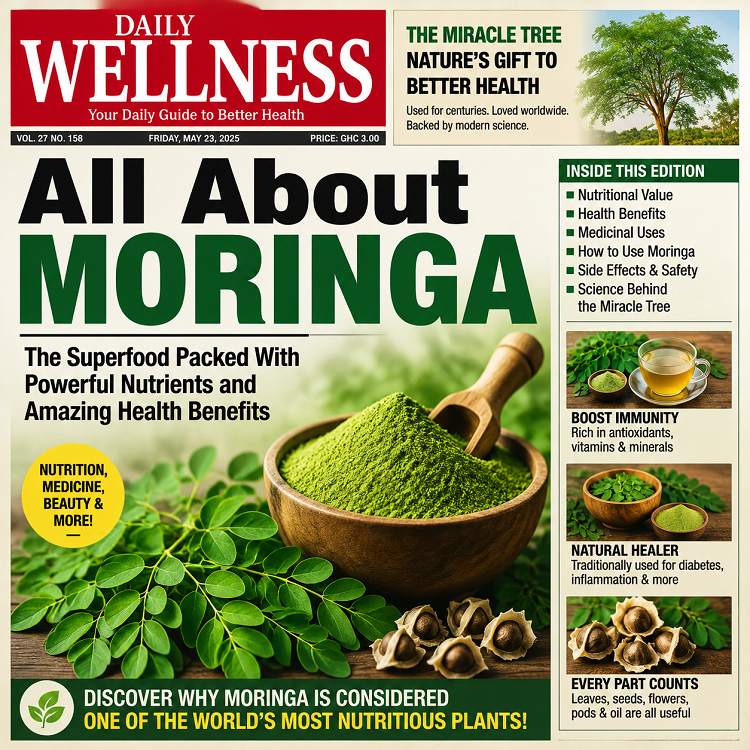
All About Moringa The Miracle Tree Part 2: Benefits, Nutrition, Uses, Side Effects, and Everything You Need to Know
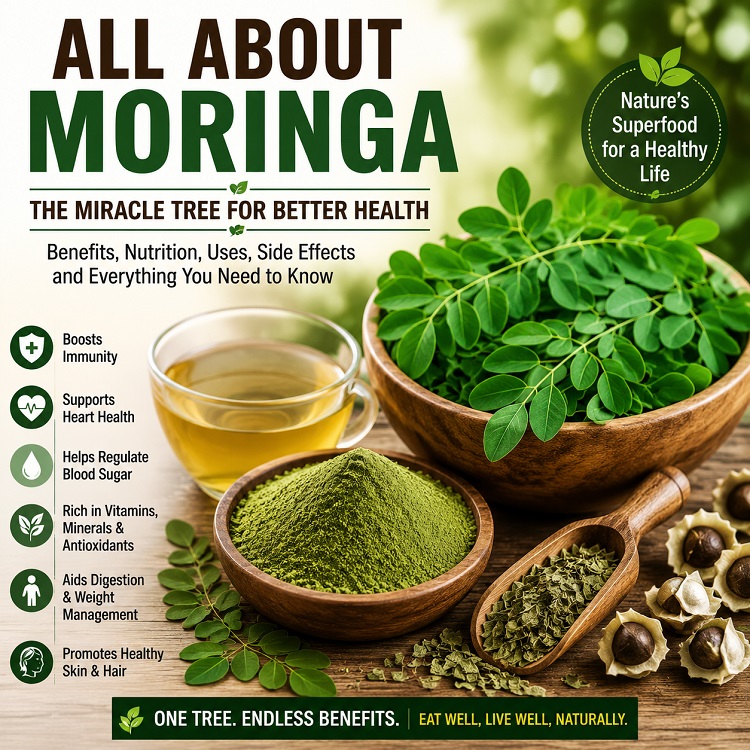
All About Moringa The Miracle Tree Part 2: Benefits, Nutrition, Uses, Side Effects, and Everything You Need to Know Part 2
All About Moringa The Miracle Tree Part 2: Benefits, Nutrition, Uses, Side Effects, and Everything You Need to Know | In Part 1, we explored what moringa is, its nutritional profile, and its many potential health benefits. In this section, we’ll take a closer look at the different forms of moringa, how they are used, what current scientific research says, and practical ways to incorporate moringa into your daily routine.
Moringa Leaves
The leaves of the Moringa oleifera tree are the most widely consumed part of the plant. They are rich in vitamins, minerals, protein, and antioxidants, making them a nutritious addition to many diets.
Fresh leaves have a mild, earthy flavor similar to spinach and can be cooked or eaten raw in moderation. Because they are highly perishable, they are often dried and ground into powder for longer shelf life.
Nutritional Highlights of Moringa Leaves
Fresh moringa leaves provide:
- Vitamin A
- Vitamin C
- Vitamin E
- Vitamin K
- Calcium
- Iron
- Potassium
- Magnesium
- Plant protein
- Dietary fiber
- Antioxidants
Drying removes water while preserving many nutrients, resulting in a concentrated powder that contains higher nutrient levels by weight.
All About Moringa The Miracle Tree Part 2
Ways to Eat Moringa Leaves
Moringa leaves are extremely versatile and can be incorporated into meals in many ways.
Popular options include:
- Adding fresh leaves to salads
- Cooking them like spinach
- Mixing into soups and stews
- Stir-frying with vegetables
- Blending into smoothies
- Incorporating into omelets
- Mixing into rice dishes
- Using as a garnish
Avoid overcooking, as prolonged heat may reduce the content of heat-sensitive vitamins such as vitamin C.
Moringa Powder
Moringa powder is made by washing fresh leaves, drying them at low temperatures, and grinding them into a fine green powder.
Because it is easy to store and transport, moringa powder has become one of the most popular forms of moringa worldwide.
Benefits of Moringa Powder
Moringa powder offers several advantages:
- Long shelf life
- Convenient daily use
- Concentrated nutrients
- Easy to add to foods
- Suitable for vegetarian and vegan diets
How to Use Moringa Powder
You can mix moringa powder into:
- Smoothies
- Yogurt
- Oatmeal
- Soups
- Juices
- Protein shakes
- Herbal teas
- Salad dressings
- Homemade energy balls
- Baked goods
Because moringa has a slightly earthy taste, many people combine it with fruits such as bananas, mangoes, or pineapples.
Storage Tips
To maintain freshness:
- Keep in an airtight container.
- Store in a cool, dry place away from sunlight.
- Avoid moisture.
- Use clean, dry utensils when scooping the powder.
Moringa Tea
Moringa tea is made from dried moringa leaves and is naturally caffeine-free.
Many people drink moringa tea as part of their wellness routine because it provides antioxidants without the stimulating effects of coffee or black tea.
Potential Benefits of Moringa Tea
Drinking moringa tea may:
- Help increase antioxidant intake
- Support hydration
- Contribute beneficial vitamins and minerals
- Serve as a relaxing herbal beverage
- Complement a healthy diet
While moringa tea is nutritious, it should not be promoted as a treatment for medical conditions.
How to Prepare Moringa Tea
Ingredients:
- 1 teaspoon dried moringa leaves (or one tea bag)
- 1 cup hot water
Instructions:
- Bring water to a near boil.
- Pour over the moringa leaves.
- Steep for 5–10 minutes.
- Strain if using loose leaves.
- Add lemon, ginger, or honey if desired.
Best Time to Drink
There is no medically proven “best” time to drink moringa tea. Many people enjoy it:
- In the morning
- During the afternoon
- After meals
- In the evening (because it contains no caffeine)
Moringa Seeds
The seeds are found inside long, slender pods often called “drumsticks.”
They can be:
- Cooked
- Roasted
- Pressed into oil
- Used for water clarification
Nutritional Components
Moringa seeds contain:
- Healthy fats
- Protein
- Fiber
- Minerals
- Antioxidant compounds
Water Purification
One of the most fascinating traditional uses of moringa seeds is water purification.
When crushed, compounds in the seeds can bind to suspended particles in water, causing them to clump together and settle. This process can improve water clarity, although it does not replace modern methods of water disinfection for making water safe to drink.
How Many Seeds Are Safe?
There is no universally accepted dosage. Because seeds contain different compounds than the leaves, moderation is recommended. Follow product instructions and consult a healthcare professional before consuming moringa seed supplements regularly.
Moringa Oil
Moringa seed oil, often called Ben Oil, is prized in skincare and cosmetic products because it is lightweight, stable, and rich in beneficial fatty acids.
Nutritional Components
Moringa oil contains:
- Oleic acid
- Vitamin E
- Plant sterols
- Antioxidants
Benefits for the Skin
Moringa oil may help:
- Moisturize dry skin
- Support the skin barrier
- Reduce moisture loss
- Leave skin feeling soft
- Protect against environmental stressors
Benefits for Hair
Many hair-care products include moringa oil because it may help:
- Moisturize the scalp
- Reduce dryness
- Improve hair softness
- Reduce breakage
- Add shine
Although widely used in cosmetics, claims that moringa oil can reverse aging or regrow hair lack strong clinical evidence.
All About Moringa The Miracle Tree Part 2
Traditional Medicinal Uses of Moringa
For centuries, traditional medicine systems in Asia and Africa have used moringa for various health conditions.
Historically, different parts of the tree have been used to support:
- Digestion
- Wound healing
- Energy
- Breastfeeding nutrition
- Joint discomfort
- Fever
- Skin care
Traditional use does not necessarily mean a treatment has been proven effective. Modern clinical research is still evaluating many of these applications.
Moringa and Diabetes
Researchers have investigated whether moringa may help support healthy blood glucose levels.
Some small human studies and laboratory research suggest that compounds such as chlorogenic acid and isothiocyanates may influence glucose metabolism.
However:
- Studies are generally small.
- Results are inconsistent.
- More large clinical trials are needed.
People taking diabetes medication should consult their healthcare provider before using moringa because combining both may increase the risk of hypoglycemia (low blood sugar).
Moringa and High Blood Pressure
Some preliminary studies suggest that antioxidants and plant compounds in moringa may support normal blood vessel function.
However, current evidence is insufficient to recommend moringa as a treatment for hypertension.
Individuals taking blood pressure medication should seek medical advice before using moringa supplements.
Moringa and Cholesterol
Animal studies and a limited number of human studies suggest that moringa may contribute to healthier cholesterol profiles.
Researchers believe this may be related to:
- Fiber
- Antioxidants
- Plant sterols
- Polyphenols
Larger, high-quality human studies are still needed.
Moringa and Arthritis
Because moringa contains compounds with anti-inflammatory activity in laboratory studies, researchers are exploring its possible role in supporting joint health.
Current evidence is preliminary, and moringa should not replace medications prescribed for arthritis.
Moringa and Liver Health
Animal studies indicate that moringa may help protect liver cells from oxidative damage.
Scientists believe antioxidants such as quercetin and chlorogenic acid may contribute to these effects.
However, human research remains limited.
Moringa and Anemia
Because moringa leaves contain iron, vitamin C, and folate, they can contribute to a diet that supports healthy red blood cell production.
However, iron-deficiency anemia requires proper diagnosis and treatment by a healthcare professional. Moringa should not be used as the sole treatment.
Scientific Research on Moringa
Interest in moringa has grown significantly over the past two decades. Researchers continue to investigate its nutritional value and potential health effects.
Current evidence comes from three main sources.
Laboratory Studies
Laboratory research has identified numerous bioactive compounds, including:
- Quercetin
- Kaempferol
- Chlorogenic acid
- Isothiocyanates
- Polyphenols
These compounds demonstrate antioxidant and anti-inflammatory activity under controlled laboratory conditions.
Animal Studies
Animal studies suggest possible benefits related to:
- Blood sugar regulation
- Cholesterol metabolism
- Liver protection
- Brain health
- Inflammation
Although encouraging, animal results do not always translate directly to humans.
Human Studies
Human studies have investigated moringa for:
- Blood glucose
- Cholesterol
- Nutritional supplementation
- Inflammation
- Breastfeeding nutrition
- Blood pressure
Many of these studies report promising findings, but most involve small numbers of participants or short follow-up periods.
All About Moringa The Miracle Tree Part 2
Current Limitations
Researchers emphasize several limitations:
- Small sample sizes
- Different preparation methods
- Variable dosages
- Short study duration
- Limited long-term safety data
Consequently, while moringa appears to be a nutritious food with potential health benefits, stronger clinical evidence is needed before firm conclusions can be drawn for many medical uses.
How to Use Moringa Daily
Moringa can be incorporated into everyday meals in a variety of ways.
Smoothies
Blend moringa powder with:
- Banana
- Mango
- Pineapple
- Spinach
- Greek yogurt
- Almond milk
Soups
Stir fresh leaves or a small amount of powder into soups near the end of cooking.
Salads
Add fresh, tender moringa leaves to salads alongside lettuce, tomatoes, cucumbers, and avocado.
Omelets
Mix chopped moringa leaves into scrambled eggs or omelets for added nutrients.
Yogurt
Stir a small amount of moringa powder into plain yogurt with berries and nuts.
Oatmeal
Sprinkle a small amount of moringa powder into oatmeal after cooking.
Herbal Tea
Prepare moringa tea as a caffeine-free beverage any time of day.
Capsules
People who dislike the taste of moringa may choose standardized capsules from reputable manufacturers, following the label directions.
Practical Tips for Beginners
If you are new to moringa:
- Start with a small amount and increase gradually if tolerated.
- Choose products from reputable brands that follow good manufacturing practices.
- Pair moringa with a balanced diet rather than relying on it as a “superfood” solution.
- Inform your healthcare provider if you take medications or have a chronic medical condition before starting supplements.
Key Takeaways
Moringa can be enjoyed in many forms, including fresh leaves, powder, tea, seeds, and oil. Its versatility and impressive nutrient profile make it a valuable addition to a balanced diet. Although traditional medicine and early scientific research suggest several potential health benefits, current evidence is still evolving. Moringa should be viewed as a nutritious food and dietary supplement—not as a replacement for medical treatment or a cure for disease.
In Part 3, We shall discuss recommended dosage, possible side effects, who should avoid moringa, comparisons with other superfoods, how to choose high-quality products, frequently asked questions, myths versus facts, and conclude with SEO metadata and practical recommendations for safe use.
All About Moringa The Miracle Tree Part 2
References
- Leone, A., Spada, A., Battezzati, A., Schiraldi, A., Aristil, J., & Bertoli, S. (2015).
Cultivation, Genetic, Ethnopharmacology, Phytochemistry and Pharmacology of Moringa oleifera Leaves: An Overview. International Journal of Molecular Sciences, 16(6), 12791–12835.
https://doi.org/10.3390/ijms160612791
This comprehensive review discusses moringa’s nutritional composition, traditional uses, phytochemicals, medicinal properties, and current scientific evidence. - Vergara-Jimenez, M., Almatrafi, M. M., & Fernandez, M. L. (2017).
Bioactive Components in Moringa oleifera Leaves Protect Against Chronic Disease. Antioxidants, 6(4), 91.
https://doi.org/10.3390/antiox6040091
This review summarizes research on moringa’s antioxidant, anti-inflammatory, antidiabetic, cardioprotective, and hepatoprotective properties. - Fahey, J. W. (2005).
Moringa oleifera: A Review of the Medical Evidence for Its Nutritional, Therapeutic, and Prophylactic Properties. Part 1. Trees for Life Journal, 1(5).
https://www.tfljournal.org/article.php/20051201124931586
A foundational review covering moringa’s traditional medicinal uses, nutritional value, and available scientific evidence. - World Health Organization (WHO). (2023).
Healthy Diet. World Health Organization.
https://www.who.int/news-room/fact-sheets/detail/healthy-diet
Supports the article’s recommendations on incorporating nutrient-rich foods like moringa into a balanced diet while emphasizing that no single food can replace a healthy dietary pattern. - National Center for Complementary and Integrative Health (NCCIH). (2024).
Herbs at a Glance. U.S. Department of Health and Human Services.
https://www.nccih.nih.gov/health/herbsataglance
Provides evidence-based guidance on herbal products, emphasizing safety considerations, potential interactions with medications, and the importance of consulting healthcare professionals before using herbal supplements.
Author Profile: Sylvanus Gatorwu
About the Author