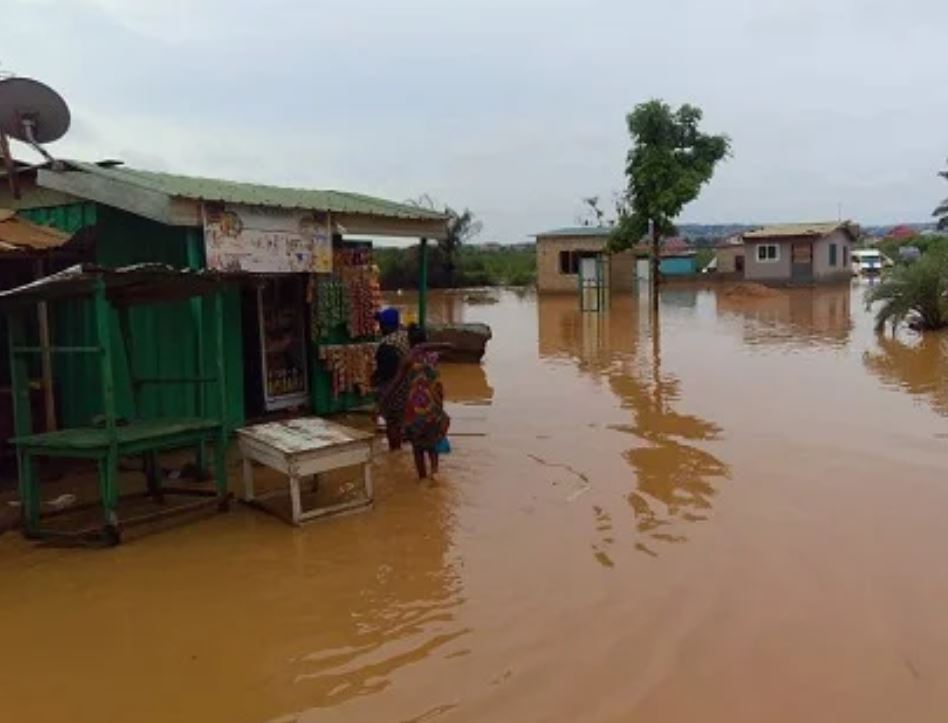
Recent Flood in Accra: How to Prevent Cholera and Typhoid Through Good Hygiene
The recent flood in Accra has once again reminded Ghanaians of the devastating impact that heavy rainfall can have on communities, businesses, and public health. While many families are currently focused on cleaning their homes, replacing damaged belongings, and restoring their daily lives, another danger often emerges after floodwaters recede—the increased risk of disease outbreaks, particularly cholera and typhoid fever.
Floods do more than destroy roads and properties. They contaminate drinking water, expose communities to harmful bacteria, and create conditions that allow infectious diseases to spread rapidly. This is why health experts consistently emphasize that proper hygiene should become a top priority after every flooding event.
If individuals, families, and communities take the right precautions, many flood-related illnesses can be prevented.
How Flooding Increases the Risk of Disease
Floodwater is rarely clean. As it moves through streets, gutters, refuse dumps, open drains, overflowing sewage systems, and toilets, it collects harmful microorganisms along the way. These contaminated waters often mix with household water sources, food items, and living spaces.
In many parts of Accra, floodwaters also carry human waste due to poor drainage systems and overflowing sanitation facilities. When this happens, bacteria responsible for diseases such as cholera and typhoid can spread quickly.
Children, older adults, pregnant women, and people with weakened immune systems are particularly vulnerable.
Even after the visible floodwater disappears, contaminated surfaces, wells, boreholes, and stored water can remain dangerous if not properly cleaned and disinfected.
Recent Flood in Accra | Understanding Cholera
Cholera is an acute diarrheal disease caused by the bacterium Vibrio cholerae. It spreads mainly through contaminated food and drinking water.
A person infected with cholera may experience:
- Severe watery diarrhoea
- Vomiting
- Rapid dehydration
- Muscle cramps
- Extreme weakness
Without prompt treatment, severe dehydration can become life-threatening within a short period. Fortunately, cholera is highly treatable when medical care is sought early.
The most effective protection remains prevention through clean water, safe food handling, and good personal hygiene. New portals like Joy News have reported that there are fears that places like Alajo which have very poor hygenic conditions could have an outbreak of Cholera.
Understanding Typhoid Fever
Typhoid fever is caused by Salmonella Typhi, a bacterium transmitted through contaminated food and water.
Unlike cholera, typhoid symptoms may develop gradually over several days.
Common symptoms include:
- Persistent high fever
- Headache
- Stomach pain
- Weakness
- Loss of appetite
- Constipation or diarrhoea
If left untreated, typhoid can lead to serious complications affecting the intestines and other organs.
Following floods, the chances of consuming contaminated food or water increase significantly, making preventive measures extremely important.
Essential Hygiene Practices After Flooding
Preventing disease begins with simple but consistent hygiene habits.
Drink Safe Water
Water safety should never be taken for granted after flooding.
Residents should:
- Boil drinking water before use.
- Use treated or bottled water whenever possible.
- Store water in clean, covered containers.
- Avoid drinking water from flooded wells or boreholes until they have been tested or disinfected.
Water that appears clear may still contain harmful bacteria invisible to the naked eye.
Wash Hands Frequently
Handwashing remains one of the simplest and most effective ways to prevent disease. During the outbreak of Coronavirus, washing of hands became a practice that people took seriously and practiced religiously. After it took a dip, this practice has left many Ghanaians. People hardly wash their hands these days even during public events and gatherings. With the recent floods in Accra, please wash hands regularly again.
Wash hands thoroughly with soap and clean running water:
- Before eating.
- Before preparing food.
- After using the toilet.
- After cleaning flood-affected areas.
- After handling waste.
- After caring for someone who is ill.
Where clean water is unavailable, alcohol-based hand sanitizers can provide temporary protection, although soap and water remain the preferred option whenever possible.
Recent Flood in Accra | Handle Food Safely
Food contamination becomes much more common after flooding.
To reduce risk:
- Eat freshly cooked meals.
- Reheat leftovers thoroughly.
- Wash fruits and vegetables using safe water.
- Cover food to protect it from flies.
- Discard food that came into contact with floodwater.
Even packaged foods should be inspected carefully before consumption if they were exposed to flood conditions.
Clean Homes Properly
Floodwater often leaves behind bacteria, mould, and harmful contaminants.
After flooding:
- Wear gloves and protective footwear during cleanup.
- Wash floors and surfaces using disinfectants.
- Dispose of contaminated household items that cannot be cleaned.
- Dry rooms thoroughly to prevent mould growth.
Cleaning should continue even after the water has disappeared.
Dispose of Waste Correctly
Poor waste management contributes significantly to disease outbreaks after floods.
Communities should avoid dumping refuse into gutters and drainage channels. Proper waste disposal not only keeps neighbourhoods clean but also reduces future flooding by preventing blocked drains.
Every household has a role to play in maintaining environmental sanitation.
Watch for Early Symptoms
Anyone who develops persistent diarrhoea, vomiting, fever, or severe stomach pain after flooding should seek medical attention immediately.
Delaying treatment can increase the severity of illness and raise the risk of spreading infection to others.
Self-medication should be avoided unless directed by a qualified healthcare professional.
Community Responsibility Matters
Preventing disease is not solely the responsibility of health authorities.
Communities can contribute by:
- Organising clean-up exercises.
- Reporting overflowing sewage systems.
- Keeping drains free from refuse.
- Educating neighbours on proper hygiene.
- Supporting vulnerable families with access to clean water.
When communities work together, the likelihood of disease outbreaks decreases significantly.
The Role of Government and Public Health Agencies
Flood preparedness extends beyond emergency rescue operations. Public health agencies play a critical role by monitoring water quality, conducting disease surveillance, educating the public, and ensuring rapid response to suspected outbreaks.
At the same time, investment in improved drainage infrastructure, effective waste management systems, and sanitation facilities remains essential to reducing the long-term health impacts of flooding in Accra.
Sustained collaboration between government institutions, local authorities, healthcare providers, community leaders, and residents is necessary to build a healthier and more resilient city.
Looking Ahead
The recent flood in Accra serves as a powerful reminder that the effects of flooding do not end when the rain stops. The aftermath can bring hidden health threats that require vigilance and responsible action.
Simple practices such as drinking safe water, washing hands regularly, handling food hygienically, maintaining clean surroundings, and seeking early medical care can save lives. By making hygiene a daily priority, individuals and communities can significantly reduce the risk of cholera, typhoid, and other waterborne diseases.
As Accra continues to recover, every resident has a part to play in protecting public health. Through good hygiene, environmental cleanliness, and collective responsibility, the city can recover more safely while preventing avoidable disease outbreaks.
About the Author