Chronic Kidney Disease Signs and Symptoms: Early Warnings You Should Never Ignore
Chronic Kidney Disease (CKD) is often called a “silent condition” because it can develop gradually over months or even years without obvious warning signs. By the time symptoms become noticeable, kidney damage may already be significant. Understanding Chronic Kidney Disease signs and symptoms is essential for early detection, proper management, and preventing complications.
In this comprehensive guide, we’ll explore what Chronic Kidney Disease is, its early and late symptoms, risk factors, stages, and when to seek medical attention. Whether you’re concerned about your own health or caring for someone else, this article will help you recognize the warning signals before it’s too late.
What Is Chronic Kidney Disease?
Chronic Kidney Disease (CKD) is a long-term condition in which the kidneys gradually lose their ability to filter waste and excess fluids from the blood. Healthy kidneys regulate blood pressure, balance electrolytes, produce red blood cells, and remove toxins from the body.
When kidney function declines, waste products accumulate in the bloodstream. Over time, this can lead to serious health problems such as heart disease, anemia, bone disorders, and eventually kidney failure.
Two of the most common causes of CKD are:
- Diabetes
- Hypertension
Both conditions damage the tiny blood vessels in the kidneys, reducing their ability to function effectively.
Why Chronic Kidney Disease Is Often Missed
One of the biggest challenges with Chronic Kidney Disease is that early symptoms are often mild or mistaken for other common conditions like fatigue or dehydration. Many people don’t realize something is wrong until the disease has progressed to advanced stages.
That’s why routine blood and urine tests are critical, especially for individuals with risk factors such as diabetes, high blood pressure, obesity, or a family history of kidney disease.
Early Chronic Kidney Disease Signs and Symptoms
In the early stages (Stage 1–3), symptoms may be subtle. However, there are important warning signs to look out for.
1. Persistent Fatigue and Weakness
Feeling constantly tired is one of the most common Chronic Kidney Disease signs and symptoms. When kidneys fail to filter toxins effectively, waste builds up in the blood. This can cause:
- Lack of energy
- Difficulty concentrating
- General weakness
CKD can also lead to anemia because damaged kidneys produce less erythropoietin, a hormone that stimulates red blood cell production.
2. Changes in Urination
Since the kidneys produce urine, any changes in urination patterns can signal a problem.
Watch for:
- Increased urination, especially at night
- Decreased urine output
- Foamy or bubbly urine (may indicate protein leakage)
- Dark, cloudy, or bloody urine
- Pain or difficulty urinating
Protein in the urine (proteinuria) is often one of the earliest detectable signs of kidney damage.
3. Swelling (Edema)
When kidneys cannot remove excess fluid, it accumulates in the body, causing swelling in:
- Feet
- Ankles
- Hands
- Face
- Around the eyes
Swelling is a key indicator among Chronic Kidney Disease signs and symptoms and should never be ignored, especially if persistent.
4. Puffiness Around the Eyes
Protein leakage in the urine can result in fluid retention around the eyes, especially in the morning. This may appear as:
- Puffy eyelids
- Swollen face
Although mild puffiness can have other causes, persistent facial swelling may indicate kidney dysfunction.
5. Dry and Itchy Skin
Healthy kidneys help balance minerals and nutrients in the blood. When this balance is disrupted, it can cause:
- Dry skin
- Persistent itching
- Skin irritation
This symptom often appears in more advanced stages but may begin subtly.
6. Shortness of Breath
Fluid buildup in the lungs can make breathing difficult. Additionally, anemia caused by CKD reduces oxygen delivery to tissues.
You may experience:
- Breathlessness during mild activity
- Difficulty breathing while lying down
- Rapid fatigue
Shortness of breath is a serious symptom and requires medical evaluation.
Advanced Chronic Kidney Disease Signs and Symptoms
As CKD progresses to Stage 4 or Stage 5, symptoms become more pronounced and severe.
7. Nausea and Vomiting
Accumulation of waste products (uremia) can cause digestive disturbances, including:
- Nausea
- Vomiting
- Loss of appetite
- Metallic taste in the mouth
This often leads to unintentional weight loss.
8. Loss of Appetite
Many people with advanced CKD lose interest in food. Waste buildup in the bloodstream can alter taste and suppress appetite.
Poor nutrition can worsen overall health and increase complications.
9. Muscle Cramps
Electrolyte imbalances—especially low calcium or high phosphorus—can cause painful muscle cramps, particularly at night.
10. High Blood Pressure That’s Hard to Control
CKD and Hypertension often go hand in hand. Damaged kidneys struggle to regulate blood pressure, and uncontrolled hypertension further damages kidney tissue.
This creates a dangerous cycle.
11. Chest Pain
Fluid accumulation around the heart (pericardial effusion) may cause chest discomfort or pain. This is a serious complication and requires immediate medical attention.
12. Confusion or Difficulty Concentrating
Toxin buildup can affect brain function, leading to:
- Memory problems
- Confusion
- Reduced alertness
In severe cases, this may progress to seizures or coma.
Stages of Chronic Kidney Disease
CKD is divided into five stages based on the glomerular filtration rate (GFR):
Stage 1
- Mild kidney damage
- Normal or high GFR
- Usually no symptoms
Stage 2
- Slight decline in kidney function
- Often asymptomatic
Stage 3
- Moderate kidney damage
- Symptoms such as fatigue and swelling may begin
Stage 4
- Severe reduction in kidney function
- Clear symptoms appear
Stage 5 (Kidney Failure)
- Kidneys function at less than 15% capacity
- Dialysis or transplant required
Understanding the stages helps explain why Chronic Kidney Disease signs and symptoms often go unnoticed until later.
Who Is at Risk?
Certain groups are more likely to develop CKD:
- People with Diabetes
- Individuals with Hypertension
- Those with heart disease
- People over age 60
- Individuals with a family history of kidney disease
- Smokers
- Obese individuals
If you fall into any of these categories, regular screening is essential.
When to See a Doctor
Seek medical attention if you notice:
- Persistent swelling
- Changes in urination
- Unexplained fatigue
- Shortness of breath
- Blood in urine
- Severe itching
Early diagnosis can slow progression and prevent complications.
How Chronic Kidney Disease Is Diagnosed
Doctors use simple tests to detect kidney problems:
- Blood test to measure creatinine and estimate GFR
- Urine test to detect protein
- Blood pressure measurement
- Imaging studies if necessary
Routine screening is especially important for high-risk individuals.
Complications of Untreated CKD
If left unmanaged, Chronic Kidney Disease can lead to:
- Heart disease
- Stroke
- Anemia
- Bone disease
- Fluid overload
- Kidney failure
CKD significantly increases cardiovascular risk, making early detection even more crucial.
Can Chronic Kidney Disease Symptoms Be Reversed?
Unfortunately, kidney damage is usually permanent. However, early treatment can:
- Slow disease progression
- Manage symptoms
- Prevent complications
- Improve quality of life
Lifestyle changes play a vital role in managing CKD.
Lifestyle Tips to Reduce Risk and Manage Symptoms
Although this article focuses on Chronic Kidney Disease signs and symptoms, prevention and management are equally important.
1. Control Blood Sugar
Proper management of Diabetes reduces kidney damage risk.
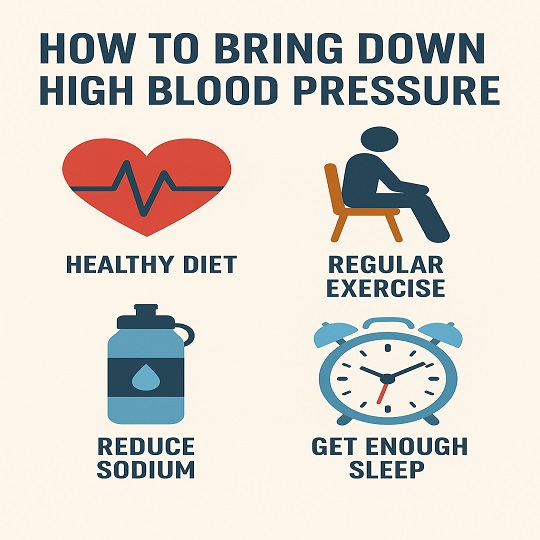
2. Maintain Healthy Blood Pressure
Target blood pressure control helps protect kidney function.
3. Reduce Salt Intake
Excess sodium increases fluid retention and blood pressure.
4. Stay Hydrated
Proper hydration supports kidney health.
5. Avoid Overuse of Painkillers
Long-term use of NSAIDs can damage kidneys.
6. Exercise Regularly
Physical activity improves cardiovascular and kidney health.
Chronic Kidney Disease in Children
Although more common in adults, CKD can affect children due to congenital abnormalities, infections, or autoimmune disorders. Symptoms may include:
- Poor growth
- Frequent urination
- Swelling
- Fatigue
Early pediatric evaluation is critical.
Final Thoughts: Don’t Ignore the Warning Signs
Chronic Kidney Disease is a serious but manageable condition when detected early. The key lies in recognizing the Chronic Kidney Disease signs and symptoms before the damage becomes irreversible.
If you notice changes in urination, persistent fatigue, swelling, or unexplained shortness of breath, consult a healthcare professional promptly. Routine screening is especially important if you have diabetes, high blood pressure, or a family history of kidney disease.
Your kidneys work silently every day to keep your body in balance. Paying attention to subtle warning signs could make the difference between early treatment and advanced kidney failure.
Frequently Asked Questions (FAQ)
What are the first signs of Chronic Kidney Disease?
Early signs often include fatigue, changes in urination, and mild swelling.
Is Chronic Kidney Disease painful?
CKD itself is usually not painful in early stages. Pain may occur if complications develop.
Can CKD be cured?
There is no cure, but treatment can slow progression.
How often should high-risk individuals get tested?
At least once a year, or as recommended by a healthcare provider.
About the Author